Sustainability in Swedish Hotels: Leading the Way in Europe's Sustainable Energy Revolution
Category : nezeh | Sub Category : nerdcook Posted on 2023-10-30 21:24:53
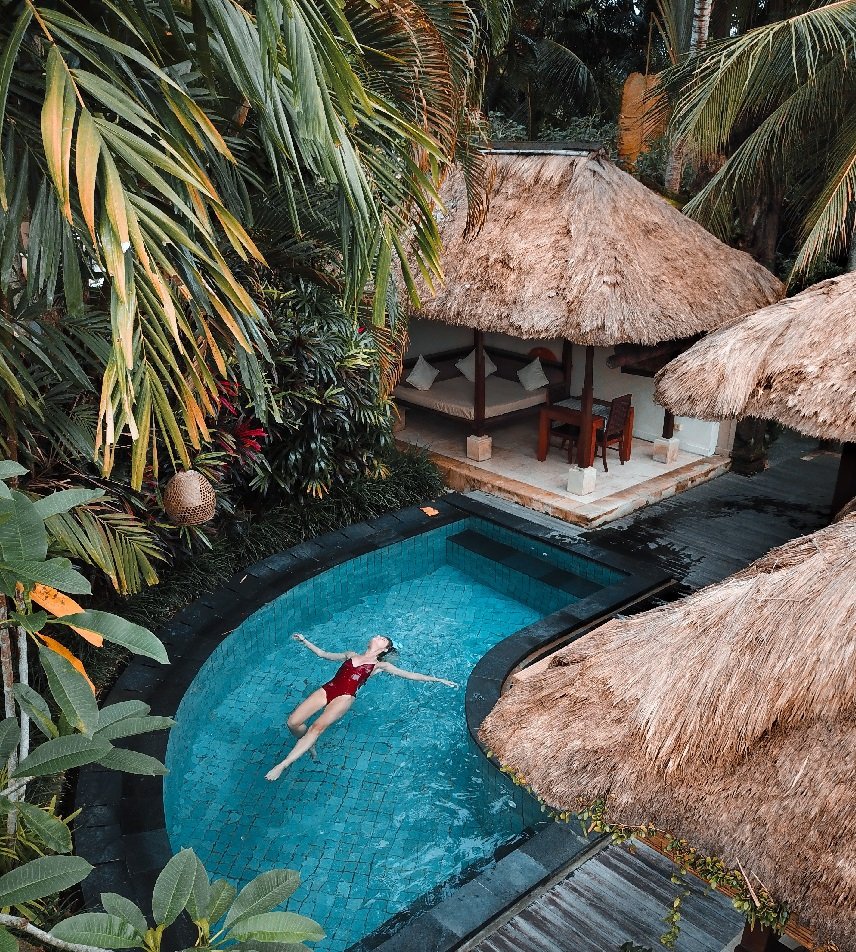
Introduction: As the world becomes increasingly aware of the urgent need to combat climate change, the hospitality industry is taking significant steps towards sustainable practices. One country that has emerged as a leader in this movement is Sweden, where hotels are setting new standards for sustainable energy usage. This article dives into the innovative approaches and achievements of hotels in Sweden, showcasing how they are making a positive impact on the environment and inspiring the wider European hotel industry. Harnessing Renewable Energy Sources: Swedish hotels have been at the forefront of exploring alternative energy sources to minimize their carbon footprint. Many establishments have opted to switch to renewable energy for their day-to-day operations. Wind power, solar energy, and geothermal systems have become popular choices, allowing hotels to significantly reduce their dependency on fossil fuels. One remarkable example is the Jumbo Stay hotel, located inside a decommissioned Boeing 747 aircraft near Stockholm's Arlanda Airport. This hotel is powered entirely by solar panels installed on its roof, making it a truly sustainable accommodation option. Energy Efficiency and Conservation: In addition to renewable energy, Swedish hotels are focused on energy efficiency and conservation. From investing in energy-efficient lighting systems to installing smart thermostats, these hotels are finding innovative ways to reduce their overall energy consumption. Through these efforts, they not only reduce their environmental impact but also save on costs, which can be reinvested in other sustainability initiatives. The Hotel Emma in Gothenburg serves as a great example. This hotel was built with a passive design that strategically captures natural daylight and regulates indoor temperature, minimizing the need for artificial lighting and heating. Such thoughtful architectural decisions prove that sustainability can be seamlessly integrated into hotel design without compromising guest comfort. Engaging Guests in Sustainable Practices: Swedish hotels understand the importance of engaging their guests in sustainable practices and raising awareness about environmental issues. By providing education and promoting responsible behavior, hotels are encouraging guests to participate actively in their sustainability efforts. Some hotels have adopted initiatives such as towel and linen reuse programs, eco-friendly toiletries, and waste separation systems, motivating guests to play a significant role in reducing water and energy consumption. Additionally, eco-tourism activities, such as guided nature walks and bike rental services, further contribute to minimizing carbon emissions associated with transportation. Collaboration and Recognition: Swedish hotels are not only succeeding individually but also collaboratively working towards a more sustainable future. Industry associations, such as the Swedish Sustainable Hospitality Initiative, bring together hoteliers, policymakers, and environmental experts to share best practices, develop sustainability criteria, and collectively address challenges related to sustainable energy usage. Moreover, several hotels have received recognition and certifications for their sustainability efforts. The Nordic Swan Ecolabel and the Green Key certification are among the well-known badges of honor that signify a hotel's commitment to environmental stewardship and sustainable practices. Conclusion: Hotels in Sweden are leading the way in Europe's sustainable energy revolution by embracing innovative technologies and approaches to minimize their environmental impact. From harnessing renewable energy sources to implementing energy-efficient measures and engaging guests in sustainable practices, these hotels serve as shining examples for the wider European hospitality industry. As travelers become increasingly conscious of their environmental footprint, hotels that prioritize sustainability are gaining a competitive edge. By emulating the achievements of Swedish hotels, other European establishments can learn valuable lessons and contribute to a more sustainable future for the hospitality sector as a whole. To get all the details, go through http://www.nacnoc.com
Leave a Comment:
SEARCH
Recent News
- Zurich, Switzerland is a charming city known for its stunning architecture, picturesque landscapes, and vibrant culture. It is a popular destination for tourists from all over the world, offering a mix of historical sites, modern amenities, and breathtaking natural beauty. One of the must-visit places in Zurich is the old town, where you can stroll through narrow cobblestone streets lined with shops, cafes, and historic buildings.
- Zurich, Switzerland, and Sydney, Australia, are two popular travel destinations known for their unique charm and vibrant atmospheres. Travelers looking to explore these cities often seek comfortable accommodation options to enhance their stay. In this article, we will guide you through some top hotels in Sydney to consider for your next visit, and also delve into the beautiful city of Zurich and highlight some of its charming hotels.
- When it comes to content creation on YouTube, there are endless possibilities to explore. One interesting niche that creators can delve into is showcasing Tunisian hotels. Tunisia is known for its beautiful landscapes, rich history, and vibrant culture, making it an attractive destination for tourists from around the world.
- Are you interested in learning about YouTube content creation and translation in the context of Sydney hotels? I'm here to guide you through the process of producing engaging YouTube videos focusing on Sydney hotels and how to effectively translate your content to reach a wider audience.
- Tunisia is a beautiful country with stunning beaches, rich culture, and a colorful history. Tunisian hotels play a crucial role in the country's tourism industry, offering visitors a comfortable and luxurious stay during their vacation.
- Planning a trip to Sydney and looking for the best hotels to stay in? Look no further! In this blog post, we will introduce you to some of the top Sydney hotels that you can explore and consider for your stay.
- Tunisia is a beautiful North African country known for its rich history, stunning beaches, and vibrant culture. With its diverse landscapes ranging from the Sahara Desert to the Mediterranean Sea, Tunisia is a popular destination for tourists from all over the world. One major event that put Tunisia on the map in the sports world was when it hosted the FIFA World Cup in 1978.
- The World Cup is an exciting event that draws fans from all over the globe to experience the thrill of watching their favorite teams compete on the world stage. And when it comes to attending matches in Sydney, finding the perfect hotel is key to making the most of your World Cup experience.
READ MORE
10 months ago Category : nezeh

Zurich, Switzerland is a charming city known for its stunning architecture, picturesque landscapes, and vibrant culture. It is a popular destination for tourists from all over the world, offering a mix of historical sites, modern amenities, and breathtaking natural beauty. One of the must-visit places in Zurich is the old town, where you can stroll through narrow cobblestone streets lined with shops, cafes, and historic buildings.
Read More →10 months ago Category : nezeh

Zurich, Switzerland, and Sydney, Australia, are two popular travel destinations known for their unique charm and vibrant atmospheres. Travelers looking to explore these cities often seek comfortable accommodation options to enhance their stay. In this article, we will guide you through some top hotels in Sydney to consider for your next visit, and also delve into the beautiful city of Zurich and highlight some of its charming hotels.
Read More →10 months ago Category : nezeh

When it comes to content creation on YouTube, there are endless possibilities to explore. One interesting niche that creators can delve into is showcasing Tunisian hotels. Tunisia is known for its beautiful landscapes, rich history, and vibrant culture, making it an attractive destination for tourists from around the world.
Read More →10 months ago Category : nezeh
