The Role of Hotels in Thailand's Diplomacy Efforts
Category : nezeh | Sub Category : nerdcook Posted on 2023-10-30 21:24:53
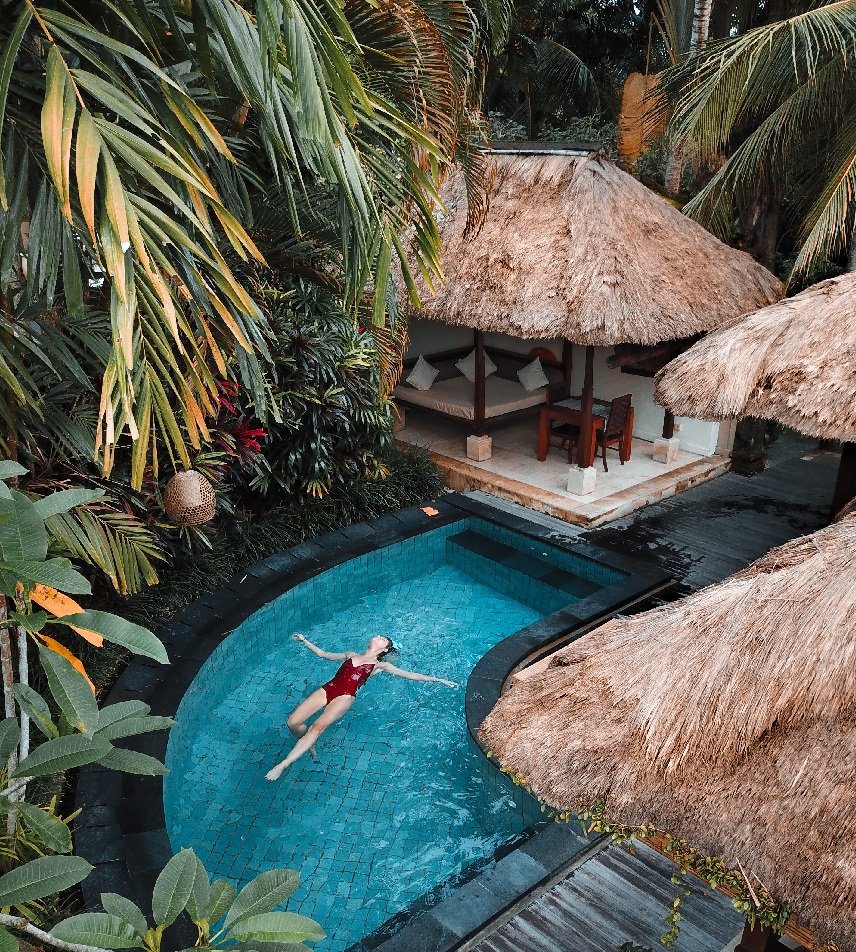
Introduction: In recent years, the role of hotels in international diplomacy has become increasingly significant. As the world becomes more interconnected and nations forge closer ties, hotels have become a vital platform for diplomatic efforts. Thailand, known for its warm hospitality and thriving tourism industry, has embraced this opportunity to leverage its hotels as a tool for enhancing diplomacy. In this blog post, we will explore the unique ways in which hotels in Thailand are contributing to the country's diplomatic landscape. 1. Hosting International Conferences and Summits: Thailand's luxurious hotels have played host to numerous international conferences and summits, where high-level diplomatic discussions take place. These events provide opportunities for Thailand to showcase its warm welcome and impeccable service, creating a positive image for visiting diplomats and their respective countries. By providing a conducive environment for dialogue and negotiation, hotels in Thailand actively contribute to fostering diplomatic relationships and resolving global issues. 2. Facilitating Bilateral Meetings and Exchanges: Hotels are often chosen as venues for bilateral meetings and exchanges between diplomats. Thailand's hotels, with their state-of-the-art facilities and world-class amenities, offer a neutral ground for diplomats to meet and engage in crucial discussions. The presence of hotel staff who are well-versed in diplomatic protocols further enhances the effectiveness of these meetings. This facilitates smoother negotiations and promotes a sense of trust and mutual understanding between participating countries. 3. Acting as Cultural Ambassadors: Hotels in Thailand go beyond providing comfortable stays; they also act as cultural ambassadors for the country. Many hotels incorporate elements of Thai culture into their design, decor, and services, allowing guests to experience the rich traditions and heritage of Thailand. This not only enhances the overall diplomatic experience but also promotes a deeper understanding of Thai culture, fostering cultural diplomacy between nations. 4. Showcasing Thai Cuisine: Food has always been an integral part of diplomacy, and Thai cuisine has gained international recognition for its unique flavors and diversity. Hotels in Thailand often offer a range of authentic Thai dishes, allowing diplomats and international visitors to indulge in a sensory journey of Thai gastronomy. Through culinary diplomacy, hotels can foster cross-cultural connections and build bridges between nations, creating a more harmonious and interconnected diplomatic landscape. 5. Promoting Sustainable and Responsible Tourism: Thailand's hotels are increasingly adopting sustainable and responsible practices in the tourism industry. By implementing eco-friendly initiatives, such as energy conservation, waste reduction, and supporting local communities, these hotels contribute to Thailand's global image as a responsible and environmentally conscious nation. Such efforts not only align with diplomatic values but also attract environmentally conscious diplomats and visitors who prioritize sustainability in their decision-making. Conclusion: Hotels in Thailand have evolved into more than just places to stay; they have become essential players in the country's diplomatic efforts. Whether by hosting high-level conferences, facilitating bilateral meetings, acting as cultural ambassadors, showcasing Thai cuisine, or promoting sustainable tourism, these hotels play a crucial role in enhancing Thailand's diplomatic landscape. As Thailand continues to build bridges with the international community, its hotels will remain valuable assets in forging stronger diplomatic relationships and fostering global understanding. For a different perspective, see: http://www.nacnoc.com also for more http://www.culturepolitics.com
Leave a Comment:
SEARCH
Recent News
- Zurich, Switzerland is a charming city known for its stunning architecture, picturesque landscapes, and vibrant culture. It is a popular destination for tourists from all over the world, offering a mix of historical sites, modern amenities, and breathtaking natural beauty. One of the must-visit places in Zurich is the old town, where you can stroll through narrow cobblestone streets lined with shops, cafes, and historic buildings.
- Zurich, Switzerland, and Sydney, Australia, are two popular travel destinations known for their unique charm and vibrant atmospheres. Travelers looking to explore these cities often seek comfortable accommodation options to enhance their stay. In this article, we will guide you through some top hotels in Sydney to consider for your next visit, and also delve into the beautiful city of Zurich and highlight some of its charming hotels.
- When it comes to content creation on YouTube, there are endless possibilities to explore. One interesting niche that creators can delve into is showcasing Tunisian hotels. Tunisia is known for its beautiful landscapes, rich history, and vibrant culture, making it an attractive destination for tourists from around the world.
- Are you interested in learning about YouTube content creation and translation in the context of Sydney hotels? I'm here to guide you through the process of producing engaging YouTube videos focusing on Sydney hotels and how to effectively translate your content to reach a wider audience.
- Tunisia is a beautiful country with stunning beaches, rich culture, and a colorful history. Tunisian hotels play a crucial role in the country's tourism industry, offering visitors a comfortable and luxurious stay during their vacation.
- Planning a trip to Sydney and looking for the best hotels to stay in? Look no further! In this blog post, we will introduce you to some of the top Sydney hotels that you can explore and consider for your stay.
- Tunisia is a beautiful North African country known for its rich history, stunning beaches, and vibrant culture. With its diverse landscapes ranging from the Sahara Desert to the Mediterranean Sea, Tunisia is a popular destination for tourists from all over the world. One major event that put Tunisia on the map in the sports world was when it hosted the FIFA World Cup in 1978.
- The World Cup is an exciting event that draws fans from all over the globe to experience the thrill of watching their favorite teams compete on the world stage. And when it comes to attending matches in Sydney, finding the perfect hotel is key to making the most of your World Cup experience.
READ MORE
5 months ago Category : nezeh

Zurich, Switzerland is a charming city known for its stunning architecture, picturesque landscapes, and vibrant culture. It is a popular destination for tourists from all over the world, offering a mix of historical sites, modern amenities, and breathtaking natural beauty. One of the must-visit places in Zurich is the old town, where you can stroll through narrow cobblestone streets lined with shops, cafes, and historic buildings.
Read More →5 months ago Category : nezeh

Zurich, Switzerland, and Sydney, Australia, are two popular travel destinations known for their unique charm and vibrant atmospheres. Travelers looking to explore these cities often seek comfortable accommodation options to enhance their stay. In this article, we will guide you through some top hotels in Sydney to consider for your next visit, and also delve into the beautiful city of Zurich and highlight some of its charming hotels.
Read More →5 months ago Category : nezeh

When it comes to content creation on YouTube, there are endless possibilities to explore. One interesting niche that creators can delve into is showcasing Tunisian hotels. Tunisia is known for its beautiful landscapes, rich history, and vibrant culture, making it an attractive destination for tourists from around the world.
Read More →5 months ago Category : nezeh
