Exploring the Fusion of Hotels in Thailand and Malian Cuisine
Category : nezeh | Sub Category : nerdcook Posted on 2023-10-30 21:24:53
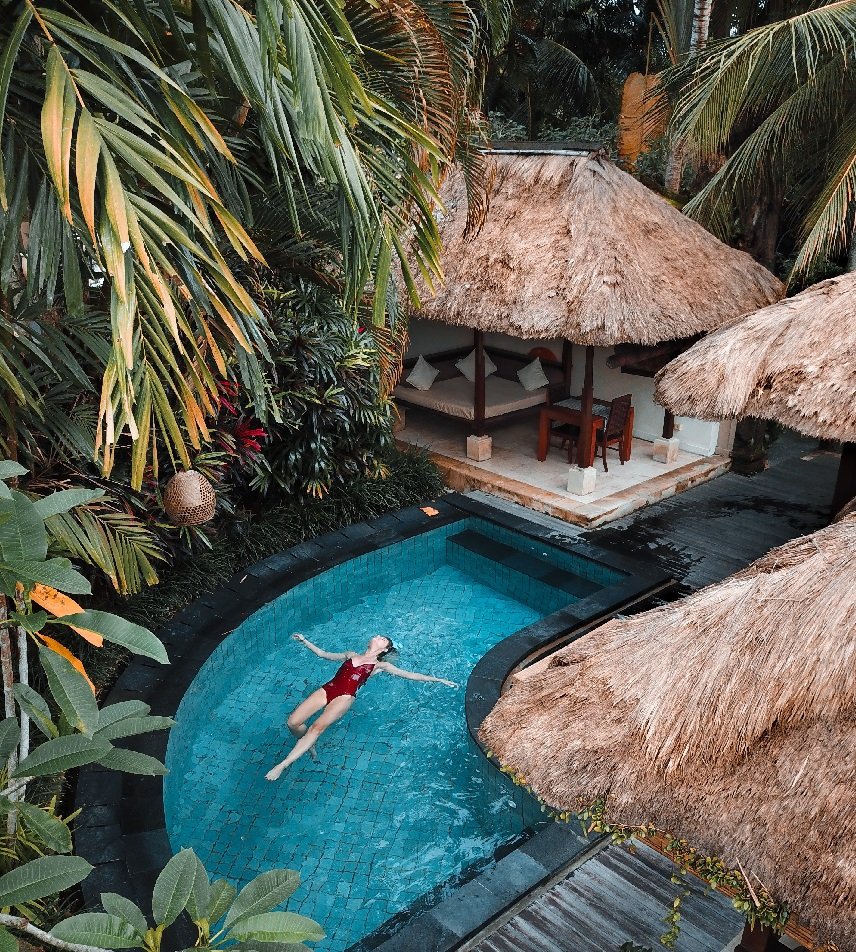
Thailand, known for its stunning beaches, rich cultural heritage, and warm hospitality, has long been a popular destination for travelers from around the world. One of the key aspects that make Thailand such an attractive destination is its diverse culinary scene. Thai cuisine is globally renowned for its flavorsome dishes, aromatic spices, and vibrant street food culture. However, one might be surprised to learn that Thailand's culinary landscape also embraces international influences, including the lesser-known Malian cuisine. Malian cuisine, hailing from the West African country of Mali, is a unique blend of flavors, spices, and cooking techniques. The cuisine is heavily based on staples such as millet, rice, sorghum, and corn, which are used as the base for various dishes. Meat, particularly chicken, beef, and lamb, is commonly used in Malian cooking, along with a wide array of vegetables and aromatic spices like ginger, garlic, and chili peppers. Now, you might wonder how these disparate cuisines have come together in the context of hotels in Thailand. Well, it is not uncommon to find hotel establishments in Thailand that have embraced the fusion of Thai and Malian culinary traditions. Such hotels strive to offer their guests a unique and unforgettable dining experience, by combining the best of both worlds. One example of this fusion is the inclusion of Malian-inspired dishes on the menus of Thai hotels. Patrons can have the opportunity to savor dishes like Jollof rice, a popular Malian rice dish cooked with tomatoes, onions, and a medley of aromatic spices. Other traditional Malian delicacies, such as Maafe (a meat and peanut stew), Yassa (marinated grilled meat), and Dibi (grilled meat served with onions and mustard sauce) might also make their appearance on these menus. To ensure the authenticity of these dishes, Thai hotels often recruit experienced Malian chefs who can bring their expertise and passion for Malian cuisine to the dining tables. These chefs not only introduce guests to the unique flavors and cooking techniques of Malian cuisine but also promote cultural exchange and understanding between Thailand and Mali. Beyond the dining experience, hotels in Thailand are also embracing the vibrant cultural traditions of Mali. Cultural events and performances showcasing Malian music, dance, and art are organized within the hotels' premises, providing guests with the opportunity to immerse themselves in a different culture without ever leaving Thailand's shores. Furthermore, hotels that blend Thai and Malian influences also pay attention to the decor and ambiance of their establishments. By incorporating elements from both Thai and Malian cultures, such as traditional art, textiles, and architectural details, these hotels create an immersive experience that transports guests to a visual and sensory journey that captures the spirit of both worlds. In conclusion, the fusion of Thai hospitality and Malian cuisine in hotels across Thailand represents an exciting culinary trend. These hotels not only offer guests a chance to explore diverse flavors but also provide a platform for cultural exchange. By merging the best of Thai and Malian traditions, these hotels create a truly unique and enriching experience that transcends borders and celebrates the richness of global culinary diversity. So, next time you find yourself in Thailand, don't miss the opportunity to embark on this gastronomic adventure that combines the flavors of Thailand and the culinary traditions of Mali. visit: http://www.nacnoc.com Looking for expert opinions? Find them in http://www.africalunch.com
Leave a Comment:
SEARCH
Recent News
- Zurich, Switzerland is a charming city known for its stunning architecture, picturesque landscapes, and vibrant culture. It is a popular destination for tourists from all over the world, offering a mix of historical sites, modern amenities, and breathtaking natural beauty. One of the must-visit places in Zurich is the old town, where you can stroll through narrow cobblestone streets lined with shops, cafes, and historic buildings.
- Zurich, Switzerland, and Sydney, Australia, are two popular travel destinations known for their unique charm and vibrant atmospheres. Travelers looking to explore these cities often seek comfortable accommodation options to enhance their stay. In this article, we will guide you through some top hotels in Sydney to consider for your next visit, and also delve into the beautiful city of Zurich and highlight some of its charming hotels.
- When it comes to content creation on YouTube, there are endless possibilities to explore. One interesting niche that creators can delve into is showcasing Tunisian hotels. Tunisia is known for its beautiful landscapes, rich history, and vibrant culture, making it an attractive destination for tourists from around the world.
- Are you interested in learning about YouTube content creation and translation in the context of Sydney hotels? I'm here to guide you through the process of producing engaging YouTube videos focusing on Sydney hotels and how to effectively translate your content to reach a wider audience.
- Tunisia is a beautiful country with stunning beaches, rich culture, and a colorful history. Tunisian hotels play a crucial role in the country's tourism industry, offering visitors a comfortable and luxurious stay during their vacation.
- Planning a trip to Sydney and looking for the best hotels to stay in? Look no further! In this blog post, we will introduce you to some of the top Sydney hotels that you can explore and consider for your stay.
- Tunisia is a beautiful North African country known for its rich history, stunning beaches, and vibrant culture. With its diverse landscapes ranging from the Sahara Desert to the Mediterranean Sea, Tunisia is a popular destination for tourists from all over the world. One major event that put Tunisia on the map in the sports world was when it hosted the FIFA World Cup in 1978.
- The World Cup is an exciting event that draws fans from all over the globe to experience the thrill of watching their favorite teams compete on the world stage. And when it comes to attending matches in Sydney, finding the perfect hotel is key to making the most of your World Cup experience.
READ MORE
11 months ago Category : nezeh

Zurich, Switzerland is a charming city known for its stunning architecture, picturesque landscapes, and vibrant culture. It is a popular destination for tourists from all over the world, offering a mix of historical sites, modern amenities, and breathtaking natural beauty. One of the must-visit places in Zurich is the old town, where you can stroll through narrow cobblestone streets lined with shops, cafes, and historic buildings.
Read More →11 months ago Category : nezeh

Zurich, Switzerland, and Sydney, Australia, are two popular travel destinations known for their unique charm and vibrant atmospheres. Travelers looking to explore these cities often seek comfortable accommodation options to enhance their stay. In this article, we will guide you through some top hotels in Sydney to consider for your next visit, and also delve into the beautiful city of Zurich and highlight some of its charming hotels.
Read More →11 months ago Category : nezeh

When it comes to content creation on YouTube, there are endless possibilities to explore. One interesting niche that creators can delve into is showcasing Tunisian hotels. Tunisia is known for its beautiful landscapes, rich history, and vibrant culture, making it an attractive destination for tourists from around the world.
Read More →11 months ago Category : nezeh
