When it comes to staying in hotels, the architecture and design play a significant role in enhancing the overall experience for guests. From stunning lobby designs to thoughtfully planned room layouts, the architecture of a hotel can truly make or break a guest's stay. In this blog post, we will explore some tips and tricks related to hotel architecture that can help create a memorable and enjoyable stay for guests.
Category : nezeh | Sub Category : nerdcook Posted on 2024-09-09 20:24:53
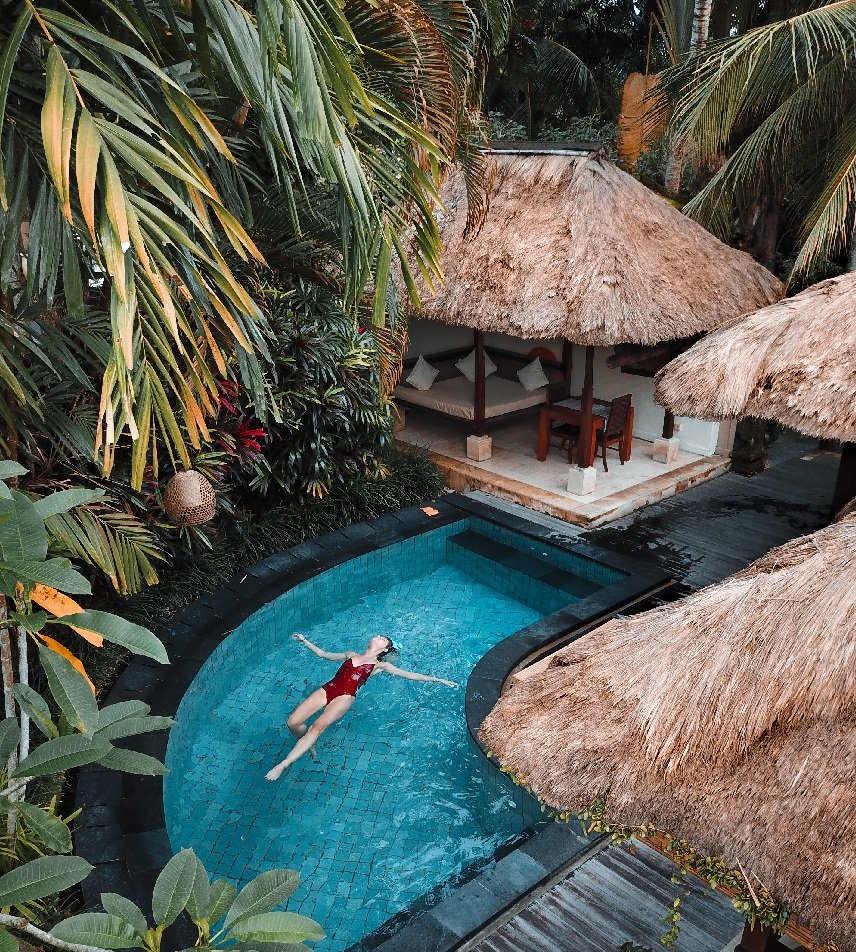
1. **Lobby Design**: The lobby is the first thing guests see when they enter a hotel. It sets the tone for the entire stay and should be welcoming, stylish, and functional. Hotels can use architectural elements such as high ceilings, natural light, and interesting textures to create a memorable first impression. 2. **Room Layout**: The layout of hotel rooms plays a crucial role in guest comfort. Well-designed rooms should be functional, with ample storage space, comfortable furniture, and a layout that maximizes space. Hotels can use clever architectural tricks such as built-in furniture, sliding doors, and multifunctional spaces to make the most of the room. 3. **Natural Light**: Natural light is an essential element in hotel design. It not only makes the space feel more inviting but also has numerous health benefits for guests. Hotels can use architectural techniques such as large windows, skylights, and light wells to maximize natural light in common areas and guest rooms. 4. **Outdoor Spaces**: Hotels with outdoor spaces such as courtyards, rooftop terraces, or balconies can offer guests a unique experience. By incorporating thoughtful architectural elements such as landscaping, seating areas, and lighting, hotels can create inviting outdoor spaces that guests will love to spend time in. 5. **Local Influences**: Incorporating local architectural elements and design influences can give a hotel a sense of place and create a more authentic experience for guests. Hotels can use materials, colors, textures, and patterns that are reflective of the local culture to create a unique and memorable stay. 6. **Sustainable architecture**: Many hotels are now focusing on sustainable architecture to reduce their environmental impact. Incorporating energy-efficient design elements, using eco-friendly materials, and implementing green building practices can not only benefit the environment but also appeal to eco-conscious guests. In conclusion, the architecture of a hotel plays a crucial role in creating a memorable and enjoyable stay for guests. By paying attention to design details, incorporating local influences, maximizing natural light, and prioritizing sustainability, hotels can create spaces that are both functional and visually appealing. The next time you check into a hotel, take a moment to appreciate the architecture around you – you may just discover a new level of appreciation for the art of hotel design.
Leave a Comment:
SEARCH
Recent News
- Zurich, Switzerland is a charming city known for its stunning architecture, picturesque landscapes, and vibrant culture. It is a popular destination for tourists from all over the world, offering a mix of historical sites, modern amenities, and breathtaking natural beauty. One of the must-visit places in Zurich is the old town, where you can stroll through narrow cobblestone streets lined with shops, cafes, and historic buildings.
- Zurich, Switzerland, and Sydney, Australia, are two popular travel destinations known for their unique charm and vibrant atmospheres. Travelers looking to explore these cities often seek comfortable accommodation options to enhance their stay. In this article, we will guide you through some top hotels in Sydney to consider for your next visit, and also delve into the beautiful city of Zurich and highlight some of its charming hotels.
- When it comes to content creation on YouTube, there are endless possibilities to explore. One interesting niche that creators can delve into is showcasing Tunisian hotels. Tunisia is known for its beautiful landscapes, rich history, and vibrant culture, making it an attractive destination for tourists from around the world.
- Are you interested in learning about YouTube content creation and translation in the context of Sydney hotels? I'm here to guide you through the process of producing engaging YouTube videos focusing on Sydney hotels and how to effectively translate your content to reach a wider audience.
- Tunisia is a beautiful country with stunning beaches, rich culture, and a colorful history. Tunisian hotels play a crucial role in the country's tourism industry, offering visitors a comfortable and luxurious stay during their vacation.
- Planning a trip to Sydney and looking for the best hotels to stay in? Look no further! In this blog post, we will introduce you to some of the top Sydney hotels that you can explore and consider for your stay.
- Tunisia is a beautiful North African country known for its rich history, stunning beaches, and vibrant culture. With its diverse landscapes ranging from the Sahara Desert to the Mediterranean Sea, Tunisia is a popular destination for tourists from all over the world. One major event that put Tunisia on the map in the sports world was when it hosted the FIFA World Cup in 1978.
- The World Cup is an exciting event that draws fans from all over the globe to experience the thrill of watching their favorite teams compete on the world stage. And when it comes to attending matches in Sydney, finding the perfect hotel is key to making the most of your World Cup experience.
READ MORE
9 months ago Category : nezeh

Zurich, Switzerland is a charming city known for its stunning architecture, picturesque landscapes, and vibrant culture. It is a popular destination for tourists from all over the world, offering a mix of historical sites, modern amenities, and breathtaking natural beauty. One of the must-visit places in Zurich is the old town, where you can stroll through narrow cobblestone streets lined with shops, cafes, and historic buildings.
Read More →9 months ago Category : nezeh

Zurich, Switzerland, and Sydney, Australia, are two popular travel destinations known for their unique charm and vibrant atmospheres. Travelers looking to explore these cities often seek comfortable accommodation options to enhance their stay. In this article, we will guide you through some top hotels in Sydney to consider for your next visit, and also delve into the beautiful city of Zurich and highlight some of its charming hotels.
Read More →9 months ago Category : nezeh

When it comes to content creation on YouTube, there are endless possibilities to explore. One interesting niche that creators can delve into is showcasing Tunisian hotels. Tunisia is known for its beautiful landscapes, rich history, and vibrant culture, making it an attractive destination for tourists from around the world.
Read More →9 months ago Category : nezeh
