**Revitalizing Urban Spaces: Transforming Ancient Civilization Sites into Hotels**
Category : nezeh | Sub Category : nerdcook Posted on 2024-09-09 20:24:53
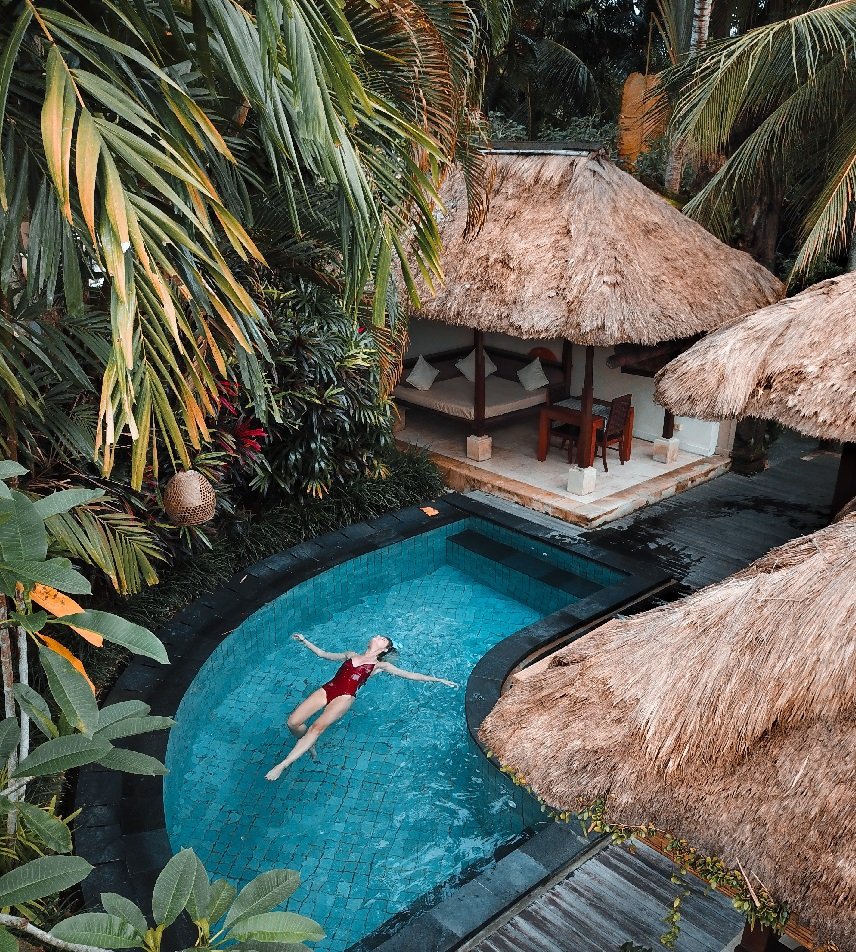
Urban redevelopment projects often face the challenge of blending modern architecture and amenities with the historical significance of ancient civilization sites. One innovative solution gaining momentum in the hospitality industry is the transformation of these historic sites into luxurious hotels. This trend not only preserves cultural heritage but also offers guests a unique and immersive experience that bridges the past with the present. Imagine waking up to breathtaking views of ancient ruins outside your hotel room window, or dining in a restaurant nestled within centuries-old structures. These are the experiences that hotels situated in former ancient civilization sites aim to provide. By sensitively integrating modern comforts with historical charm, these hotels offer guests a chance to step back in time while enjoying contemporary luxury. One notable example of this trend is the Cappadocia region in Turkey, where ancient cave dwellings have been converted into stunning boutique hotels. Guests can stay in restored cave rooms while exploring the area's rich history and unique geological formations. In Italy, historic palazzos and monasteries have been transformed into elegant hotels, preserving the architectural beauty of the past while offering top-notch hospitality services. The benefits of this trend extend beyond providing travelers with a memorable stay. By repurposing ancient sites into hotels, developers contribute to the conservation of these historic landmarks, ensuring that they remain accessible for future generations to enjoy. Additionally, these projects often stimulate economic growth in the surrounding areas, attracting tourism and creating job opportunities for locals. While the concept of turning ancient civilization sites into hotels is gaining popularity, it also raises important questions about sustainability and responsible tourism. Developers must strike a balance between preserving the historical integrity of these sites and meeting the demands of the modern hospitality industry. This involves careful restoration work, community engagement, and a commitment to environmental conservation. In conclusion, the trend of transforming ancient civilization sites into hotels represents a harmonious fusion of past and present. By offering guests a chance to immerse themselves in history while enjoying contemporary comforts, these hotels play a vital role in preserving cultural heritage and promoting sustainable tourism. As travelers seek more meaningful experiences, these unique accommodations are poised to become sought-after destinations that celebrate the beauty and resilience of ancient civilizations.
Leave a Comment:
SEARCH
Recent News
- Zurich, Switzerland is a charming city known for its stunning architecture, picturesque landscapes, and vibrant culture. It is a popular destination for tourists from all over the world, offering a mix of historical sites, modern amenities, and breathtaking natural beauty. One of the must-visit places in Zurich is the old town, where you can stroll through narrow cobblestone streets lined with shops, cafes, and historic buildings.
- Zurich, Switzerland, and Sydney, Australia, are two popular travel destinations known for their unique charm and vibrant atmospheres. Travelers looking to explore these cities often seek comfortable accommodation options to enhance their stay. In this article, we will guide you through some top hotels in Sydney to consider for your next visit, and also delve into the beautiful city of Zurich and highlight some of its charming hotels.
- When it comes to content creation on YouTube, there are endless possibilities to explore. One interesting niche that creators can delve into is showcasing Tunisian hotels. Tunisia is known for its beautiful landscapes, rich history, and vibrant culture, making it an attractive destination for tourists from around the world.
- Are you interested in learning about YouTube content creation and translation in the context of Sydney hotels? I'm here to guide you through the process of producing engaging YouTube videos focusing on Sydney hotels and how to effectively translate your content to reach a wider audience.
- Tunisia is a beautiful country with stunning beaches, rich culture, and a colorful history. Tunisian hotels play a crucial role in the country's tourism industry, offering visitors a comfortable and luxurious stay during their vacation.
- Planning a trip to Sydney and looking for the best hotels to stay in? Look no further! In this blog post, we will introduce you to some of the top Sydney hotels that you can explore and consider for your stay.
- Tunisia is a beautiful North African country known for its rich history, stunning beaches, and vibrant culture. With its diverse landscapes ranging from the Sahara Desert to the Mediterranean Sea, Tunisia is a popular destination for tourists from all over the world. One major event that put Tunisia on the map in the sports world was when it hosted the FIFA World Cup in 1978.
- The World Cup is an exciting event that draws fans from all over the globe to experience the thrill of watching their favorite teams compete on the world stage. And when it comes to attending matches in Sydney, finding the perfect hotel is key to making the most of your World Cup experience.
READ MORE
9 months ago Category : nezeh

Zurich, Switzerland is a charming city known for its stunning architecture, picturesque landscapes, and vibrant culture. It is a popular destination for tourists from all over the world, offering a mix of historical sites, modern amenities, and breathtaking natural beauty. One of the must-visit places in Zurich is the old town, where you can stroll through narrow cobblestone streets lined with shops, cafes, and historic buildings.
Read More →9 months ago Category : nezeh

Zurich, Switzerland, and Sydney, Australia, are two popular travel destinations known for their unique charm and vibrant atmospheres. Travelers looking to explore these cities often seek comfortable accommodation options to enhance their stay. In this article, we will guide you through some top hotels in Sydney to consider for your next visit, and also delve into the beautiful city of Zurich and highlight some of its charming hotels.
Read More →9 months ago Category : nezeh

When it comes to content creation on YouTube, there are endless possibilities to explore. One interesting niche that creators can delve into is showcasing Tunisian hotels. Tunisia is known for its beautiful landscapes, rich history, and vibrant culture, making it an attractive destination for tourists from around the world.
Read More →9 months ago Category : nezeh
