The Role of Genetics in Urban Redevelopment and Hotels
Category : nezeh | Sub Category : nerdcook Posted on 2024-09-09 20:24:53
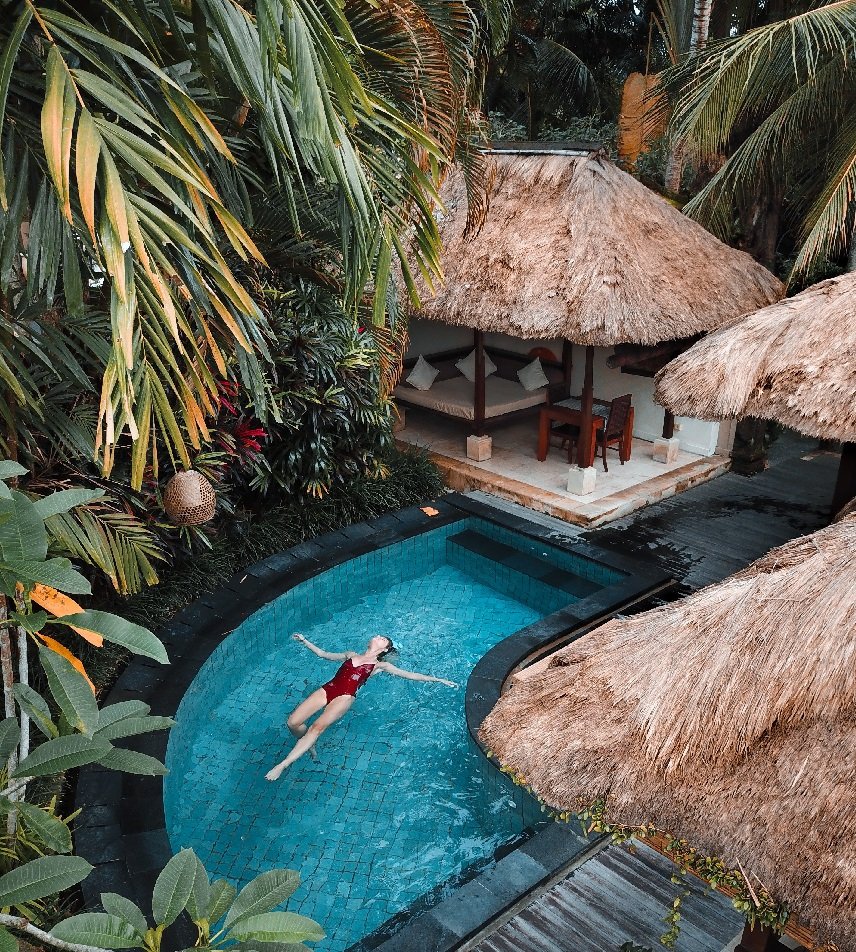
Urban redevelopment is a critical aspect of city planning and growth. As cities evolve and expand, the need to revitalize aging urban areas becomes increasingly important. In recent years, genetics has emerged as a fascinating area of study that may have implications for urban redevelopment, including the hospitality industry such as hotels. Genetics, the study of genes and heredity, has traditionally been associated with biological sciences. However, recent research has shown that genetics can also play a role in urban planning and development. By understanding the genetic makeup of a population, urban planners can gain insights into various factors such as health risks, behavioral patterns, and even preferences for certain types of urban spaces. When it comes to hotels and hospitality, genetics can influence design, amenities, and overall guest experience. For example, by studying genetic predispositions related to stress or relaxation, hotels can tailor their offerings to provide optimal comfort and wellness for guests. Understanding how genetics may influence food preferences can also help hotels curate menus that cater to individual tastes and dietary needs. In terms of urban redevelopment, genetics can inform decisions related to community development, transportation planning, and even green spaces design. By taking into account genetic factors that influence physical activity or social interactions, urban planners can create environments that promote health and well-being for residents and visitors alike. Furthermore, genetics can also play a role in sustainability efforts within urban redevelopment projects. By analyzing genetic data related to environmental sensitivities or preferences, developers can design buildings and infrastructure that are more in tune with the needs of the local population and natural surroundings. Overall, the intersection of genetics, urban redevelopment, and the hospitality industry presents exciting possibilities for creating more personalized and sustainable urban environments. By incorporating genetic insights into planning and design processes, cities and hotels can better cater to the needs and preferences of their inhabitants and guests, ultimately leading to more vibrant and thriving urban spaces.
Leave a Comment:
SEARCH
Recent News
- Zurich, Switzerland is a charming city known for its stunning architecture, picturesque landscapes, and vibrant culture. It is a popular destination for tourists from all over the world, offering a mix of historical sites, modern amenities, and breathtaking natural beauty. One of the must-visit places in Zurich is the old town, where you can stroll through narrow cobblestone streets lined with shops, cafes, and historic buildings.
- Zurich, Switzerland, and Sydney, Australia, are two popular travel destinations known for their unique charm and vibrant atmospheres. Travelers looking to explore these cities often seek comfortable accommodation options to enhance their stay. In this article, we will guide you through some top hotels in Sydney to consider for your next visit, and also delve into the beautiful city of Zurich and highlight some of its charming hotels.
- When it comes to content creation on YouTube, there are endless possibilities to explore. One interesting niche that creators can delve into is showcasing Tunisian hotels. Tunisia is known for its beautiful landscapes, rich history, and vibrant culture, making it an attractive destination for tourists from around the world.
- Are you interested in learning about YouTube content creation and translation in the context of Sydney hotels? I'm here to guide you through the process of producing engaging YouTube videos focusing on Sydney hotels and how to effectively translate your content to reach a wider audience.
- Tunisia is a beautiful country with stunning beaches, rich culture, and a colorful history. Tunisian hotels play a crucial role in the country's tourism industry, offering visitors a comfortable and luxurious stay during their vacation.
- Planning a trip to Sydney and looking for the best hotels to stay in? Look no further! In this blog post, we will introduce you to some of the top Sydney hotels that you can explore and consider for your stay.
- Tunisia is a beautiful North African country known for its rich history, stunning beaches, and vibrant culture. With its diverse landscapes ranging from the Sahara Desert to the Mediterranean Sea, Tunisia is a popular destination for tourists from all over the world. One major event that put Tunisia on the map in the sports world was when it hosted the FIFA World Cup in 1978.
- The World Cup is an exciting event that draws fans from all over the globe to experience the thrill of watching their favorite teams compete on the world stage. And when it comes to attending matches in Sydney, finding the perfect hotel is key to making the most of your World Cup experience.
READ MORE
9 months ago Category : nezeh

Zurich, Switzerland is a charming city known for its stunning architecture, picturesque landscapes, and vibrant culture. It is a popular destination for tourists from all over the world, offering a mix of historical sites, modern amenities, and breathtaking natural beauty. One of the must-visit places in Zurich is the old town, where you can stroll through narrow cobblestone streets lined with shops, cafes, and historic buildings.
Read More →9 months ago Category : nezeh

Zurich, Switzerland, and Sydney, Australia, are two popular travel destinations known for their unique charm and vibrant atmospheres. Travelers looking to explore these cities often seek comfortable accommodation options to enhance their stay. In this article, we will guide you through some top hotels in Sydney to consider for your next visit, and also delve into the beautiful city of Zurich and highlight some of its charming hotels.
Read More →9 months ago Category : nezeh

When it comes to content creation on YouTube, there are endless possibilities to explore. One interesting niche that creators can delve into is showcasing Tunisian hotels. Tunisia is known for its beautiful landscapes, rich history, and vibrant culture, making it an attractive destination for tourists from around the world.
Read More →9 months ago Category : nezeh
