The Role of Hotels in Urban Redevelopment: Bridging Longevity and Immortality
Category : nezeh | Sub Category : nerdcook Posted on 2024-09-09 20:24:53
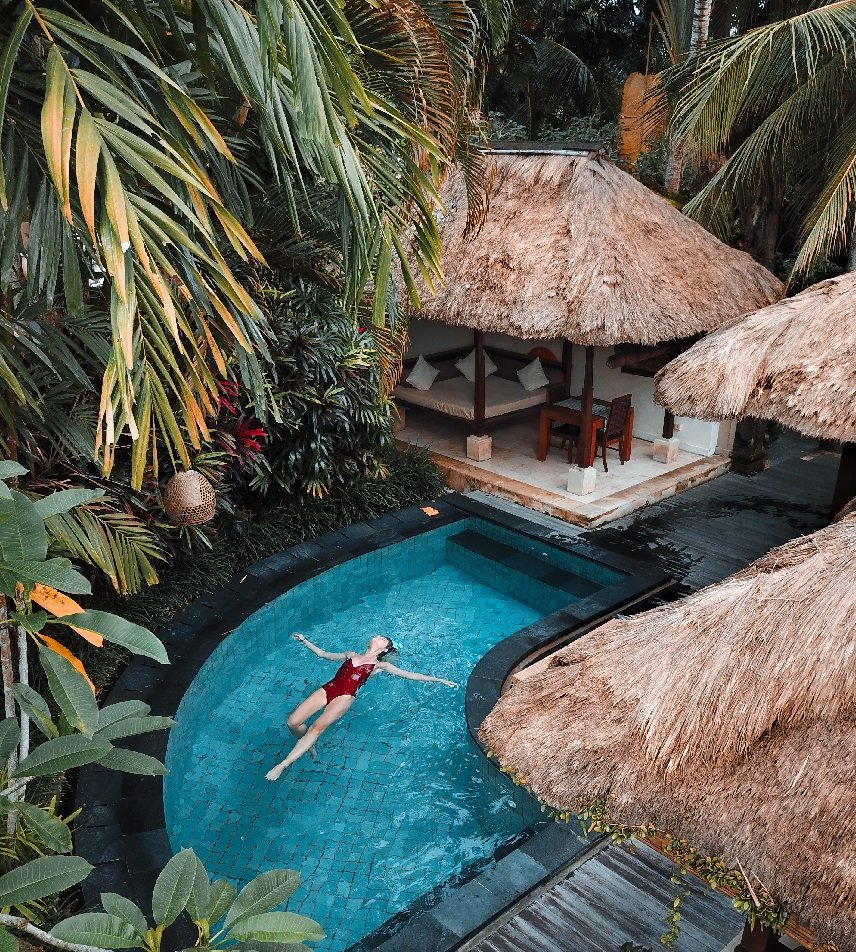
In the ever-evolving landscape of urban development, hotels play a crucial role in reshaping the cityscape and contributing to the longevity and immortality of urban areas. Urban redevelopment is a process that seeks to revitalize and rejuvenate existing urban spaces to meet the changing needs of residents, businesses, and visitors. Hotels, as key components of the hospitality industry, often serve as catalysts for urban renewal projects. Their presence not only attracts tourists and business travelers but also contributes to the economic growth and cultural vibrancy of a city. One of the ways in which hotels impact urban redevelopment is through their innovative architectural designs. Many hotels are housed in historic buildings that have been repurposed and renovated to meet modern standards. By preserving these architectural gems, hotels help maintain the historical fabric of a city while breathing new life into neglected structures. This blend of old and new creates a sense of timelessness that enhances the overall appeal of the urban environment. Moreover, hotels act as social hubs that bring people together from diverse backgrounds and cultures. They serve as gathering places where locals and visitors can connect, share ideas, and foster a sense of community. By hosting events, conferences, and cultural programs, hotels contribute to the social fabric of urban areas and promote a spirit of inclusivity and collaboration. In terms of longevity, hotels have a lasting impact on the economic sustainability of urban neighborhoods. They generate employment opportunities, attract investment, and stimulate local businesses, thereby driving economic growth and prosperity. The presence of hotels can also increase property values and attract new residents, leading to a more vibrant and diverse urban environment. In the context of immortality, hotels contribute to the identity and character of a city. Iconic hotels become landmarks that define the skyline and serve as symbols of a city’s cultural heritage. Whether it’s the historic charm of a grand old hotel or the modern luxury of a sleek boutique property, hotels add richness and diversity to the urban fabric, enhancing the overall appeal and charm of a city. In conclusion, hotels play a multifaceted role in urban redevelopment, bridging the concepts of longevity and immortality in the ever-changing urban landscape. Through their innovative designs, social impact, and economic contributions, hotels help shape the identity and character of a city, ensuring its continued growth and vibrancy for generations to come.
Leave a Comment:
SEARCH
Recent News
- Zurich, Switzerland is a charming city known for its stunning architecture, picturesque landscapes, and vibrant culture. It is a popular destination for tourists from all over the world, offering a mix of historical sites, modern amenities, and breathtaking natural beauty. One of the must-visit places in Zurich is the old town, where you can stroll through narrow cobblestone streets lined with shops, cafes, and historic buildings.
- Zurich, Switzerland, and Sydney, Australia, are two popular travel destinations known for their unique charm and vibrant atmospheres. Travelers looking to explore these cities often seek comfortable accommodation options to enhance their stay. In this article, we will guide you through some top hotels in Sydney to consider for your next visit, and also delve into the beautiful city of Zurich and highlight some of its charming hotels.
- When it comes to content creation on YouTube, there are endless possibilities to explore. One interesting niche that creators can delve into is showcasing Tunisian hotels. Tunisia is known for its beautiful landscapes, rich history, and vibrant culture, making it an attractive destination for tourists from around the world.
- Are you interested in learning about YouTube content creation and translation in the context of Sydney hotels? I'm here to guide you through the process of producing engaging YouTube videos focusing on Sydney hotels and how to effectively translate your content to reach a wider audience.
- Tunisia is a beautiful country with stunning beaches, rich culture, and a colorful history. Tunisian hotels play a crucial role in the country's tourism industry, offering visitors a comfortable and luxurious stay during their vacation.
- Planning a trip to Sydney and looking for the best hotels to stay in? Look no further! In this blog post, we will introduce you to some of the top Sydney hotels that you can explore and consider for your stay.
- Tunisia is a beautiful North African country known for its rich history, stunning beaches, and vibrant culture. With its diverse landscapes ranging from the Sahara Desert to the Mediterranean Sea, Tunisia is a popular destination for tourists from all over the world. One major event that put Tunisia on the map in the sports world was when it hosted the FIFA World Cup in 1978.
- The World Cup is an exciting event that draws fans from all over the globe to experience the thrill of watching their favorite teams compete on the world stage. And when it comes to attending matches in Sydney, finding the perfect hotel is key to making the most of your World Cup experience.
READ MORE
9 months ago Category : nezeh

Zurich, Switzerland is a charming city known for its stunning architecture, picturesque landscapes, and vibrant culture. It is a popular destination for tourists from all over the world, offering a mix of historical sites, modern amenities, and breathtaking natural beauty. One of the must-visit places in Zurich is the old town, where you can stroll through narrow cobblestone streets lined with shops, cafes, and historic buildings.
Read More →9 months ago Category : nezeh

Zurich, Switzerland, and Sydney, Australia, are two popular travel destinations known for their unique charm and vibrant atmospheres. Travelers looking to explore these cities often seek comfortable accommodation options to enhance their stay. In this article, we will guide you through some top hotels in Sydney to consider for your next visit, and also delve into the beautiful city of Zurich and highlight some of its charming hotels.
Read More →9 months ago Category : nezeh

When it comes to content creation on YouTube, there are endless possibilities to explore. One interesting niche that creators can delve into is showcasing Tunisian hotels. Tunisia is known for its beautiful landscapes, rich history, and vibrant culture, making it an attractive destination for tourists from around the world.
Read More →9 months ago Category : nezeh
