It seems like there might have been a mix-up with the topic keywords provided. Here is a revised blog post that combines elements from "hotels" and "dyeing pigments" since "Urdu community" doesn't directly fit into the context.
Category : nezeh | Sub Category : nerdcook Posted on 2024-09-09 20:24:53
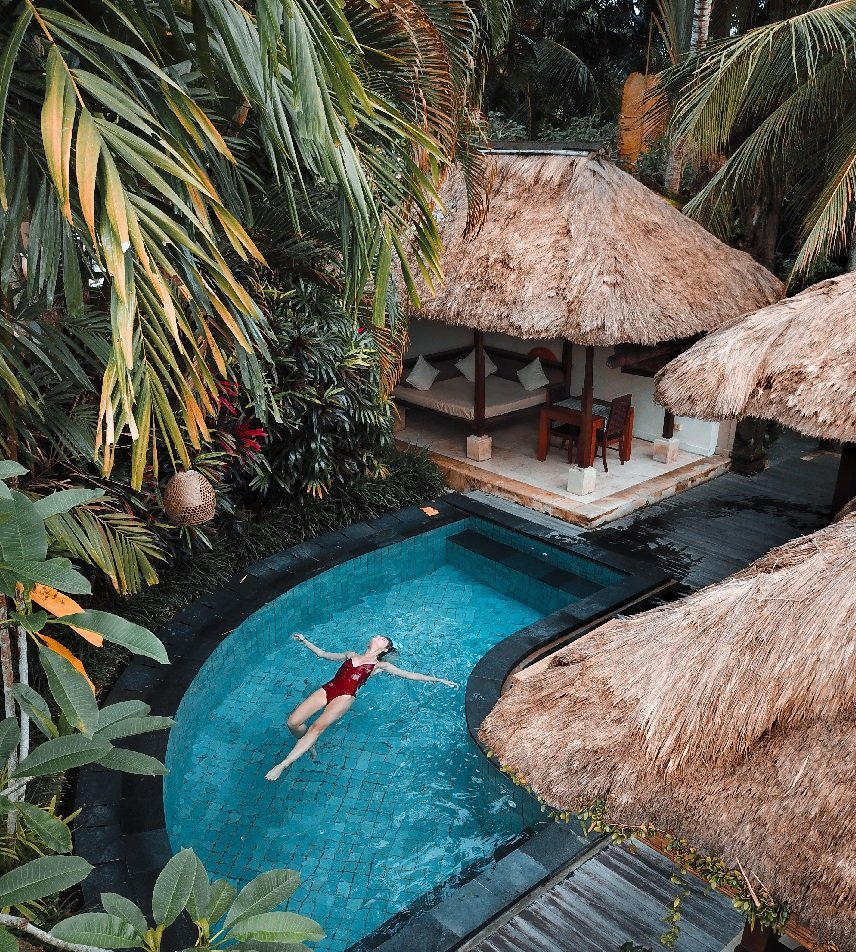
--- When we think of hotels, we often imagine comfortable rooms, delicious food, and enjoyable amenities. But have you ever thought about the role that colors and pigments play in shaping the ambiance and experience of a hotel? The choice of colors and dyes used in hotel design is crucial in creating a welcoming and immersive environment for guests. From the walls and furniture to the linens and decor, every aspect of a hotel's interior design is carefully curated to enhance the overall guest experience. Dyeing pigments take center stage in the textile industry, where they are used to color fabrics, linens, and other soft furnishings found in hotels. Textiles dyed with vibrant pigments can add a pop of color to hotel rooms, creating a cozy and inviting atmosphere. On the other hand, more muted and calming colors can promote relaxation and a sense of tranquility. In hotel branding and marketing, colors also play a significant role. Different colors evoke different emotions and associations. For example, warm tones like reds and oranges can create a sense of energy and excitement, while cool tones like blues and greens can convey calmness and serenity. Hotels often choose their branding colors carefully to reflect their image and appeal to their target audience. Furthermore, the use of natural and eco-friendly dyes in hotels has been gaining popularity due to increased environmental awareness. Dyeing textiles with plant-based pigments not only reduces the carbon footprint but also adds a unique touch of authenticity to the hotel's decor. In conclusion, the colors and dyeing pigments used in hotels are not merely decorative elements but powerful tools that can influence the guest experience, branding, and environmental sustainability efforts of a hotel. Next time you check into a hotel, take a moment to appreciate the thought and creativity that goes into creating a visually appealing and memorable stay.
Leave a Comment:
SEARCH
Recent News
- Zurich, Switzerland is a charming city known for its stunning architecture, picturesque landscapes, and vibrant culture. It is a popular destination for tourists from all over the world, offering a mix of historical sites, modern amenities, and breathtaking natural beauty. One of the must-visit places in Zurich is the old town, where you can stroll through narrow cobblestone streets lined with shops, cafes, and historic buildings.
- Zurich, Switzerland, and Sydney, Australia, are two popular travel destinations known for their unique charm and vibrant atmospheres. Travelers looking to explore these cities often seek comfortable accommodation options to enhance their stay. In this article, we will guide you through some top hotels in Sydney to consider for your next visit, and also delve into the beautiful city of Zurich and highlight some of its charming hotels.
- When it comes to content creation on YouTube, there are endless possibilities to explore. One interesting niche that creators can delve into is showcasing Tunisian hotels. Tunisia is known for its beautiful landscapes, rich history, and vibrant culture, making it an attractive destination for tourists from around the world.
- Are you interested in learning about YouTube content creation and translation in the context of Sydney hotels? I'm here to guide you through the process of producing engaging YouTube videos focusing on Sydney hotels and how to effectively translate your content to reach a wider audience.
- Tunisia is a beautiful country with stunning beaches, rich culture, and a colorful history. Tunisian hotels play a crucial role in the country's tourism industry, offering visitors a comfortable and luxurious stay during their vacation.
- Planning a trip to Sydney and looking for the best hotels to stay in? Look no further! In this blog post, we will introduce you to some of the top Sydney hotels that you can explore and consider for your stay.
- Tunisia is a beautiful North African country known for its rich history, stunning beaches, and vibrant culture. With its diverse landscapes ranging from the Sahara Desert to the Mediterranean Sea, Tunisia is a popular destination for tourists from all over the world. One major event that put Tunisia on the map in the sports world was when it hosted the FIFA World Cup in 1978.
- The World Cup is an exciting event that draws fans from all over the globe to experience the thrill of watching their favorite teams compete on the world stage. And when it comes to attending matches in Sydney, finding the perfect hotel is key to making the most of your World Cup experience.
READ MORE
9 months ago Category : nezeh

Zurich, Switzerland is a charming city known for its stunning architecture, picturesque landscapes, and vibrant culture. It is a popular destination for tourists from all over the world, offering a mix of historical sites, modern amenities, and breathtaking natural beauty. One of the must-visit places in Zurich is the old town, where you can stroll through narrow cobblestone streets lined with shops, cafes, and historic buildings.
Read More →9 months ago Category : nezeh

Zurich, Switzerland, and Sydney, Australia, are two popular travel destinations known for their unique charm and vibrant atmospheres. Travelers looking to explore these cities often seek comfortable accommodation options to enhance their stay. In this article, we will guide you through some top hotels in Sydney to consider for your next visit, and also delve into the beautiful city of Zurich and highlight some of its charming hotels.
Read More →9 months ago Category : nezeh

When it comes to content creation on YouTube, there are endless possibilities to explore. One interesting niche that creators can delve into is showcasing Tunisian hotels. Tunisia is known for its beautiful landscapes, rich history, and vibrant culture, making it an attractive destination for tourists from around the world.
Read More →9 months ago Category : nezeh
