Exploring Sustainable and Competitive Tourism in Indonesia's Business Hotels
Category : nezeh | Sub Category : nerdcook Posted on 2023-10-30 21:24:53
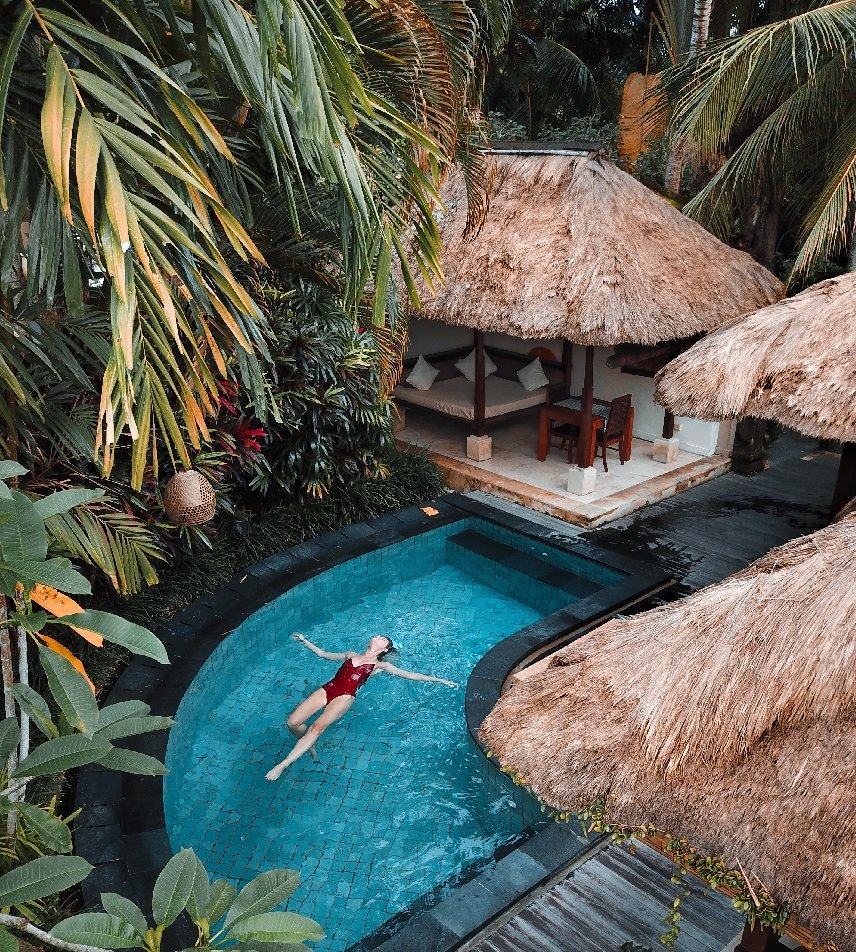
Introduction: In recent years, the demand for sustainable and competitive tourism has seen a significant surge. Travelers are becoming more conscious of their environmental impact and are seeking out accommodations that align with their values. Indonesia, with its rich cultural heritage and breathtaking landscapes, has recognized this trend and is moving towards developing sustainable practices in its business hotels. In this blog post, we will delve into the Network of European Regions for a Sustainable and Competitive Tourism and how it is influencing the hospitality industry in Indonesia. 1. The Network of European Regions for a Sustainable and Competitive Tourism (NECSTouR): NECSTouR is a prominent network of European regions working together to promote sustainable and competitive tourism. Its aim is to share best practices and contribute to a more sustainable tourism model throughout Europe. Although Indonesia might not be a member of NECSTouR, its principles and strategies have inspired businesses and organizations in the country to adopt similar approaches. 2. Sustainable Practices in Indonesia's Business Hotels: In line with NECSTouR's objectives, business hotels in Indonesia are embracing sustainable practices to minimize their ecological footprint. These hotels are implementing measures like energy-efficient lighting, water-saving technologies, waste management systems, and the use of eco-friendly materials. By incorporating sustainable practices, these hotels are not only reducing their negative environmental impact but also attracting ecologically conscious travelers. 3. The Importance of Collaboration: Achieving sustainable and competitive tourism requires collaboration among various stakeholders. In Indonesia, both private and public entities are working hand-in-hand to create a conducive environment for sustainable practices. Hotels are partnering with local communities, government organizations, and non-profit organizations to support local economies, preserve cultural heritage, and protect the environment. Collaboration ensures the harmony between tourism development and environmental conservation. 4. Benefits of Sustainable and Competitive Tourism: Implementing sustainable practices in business hotels in Indonesia brings several benefits. Firstly, it preserves the natural beauty and cultural diversity of the country, making it appealing to international travelers. Secondly, it promotes economic growth by creating employment opportunities and generating revenue for local communities. Thirdly, it enhances the overall quality of life as sustainable tourism developments often improve infrastructure, health services, and educational facilities. Conclusion: Indonesia's business hotels are making commendable efforts to embrace sustainability in alignment with NECSTouR's principles. By incorporating sustainable practices, these hotels not only reduce their environmental impact but also attract a growing segment of conscious travelers. The collaborative approach between hotels, local communities, and government organizations further strengthens the sustainable tourism development in the country. Through these collective efforts, Indonesia aims to create a sustainable and competitive tourism industry that showcases its rich cultural heritage and preserves its natural wonders for generations to come. visit: http://www.nacnoc.com Dropy by for a visit at the following website http://www.tokoeasy.com
Leave a Comment:
SEARCH
Recent News
- Zurich, Switzerland is a charming city known for its stunning architecture, picturesque landscapes, and vibrant culture. It is a popular destination for tourists from all over the world, offering a mix of historical sites, modern amenities, and breathtaking natural beauty. One of the must-visit places in Zurich is the old town, where you can stroll through narrow cobblestone streets lined with shops, cafes, and historic buildings.
- Zurich, Switzerland, and Sydney, Australia, are two popular travel destinations known for their unique charm and vibrant atmospheres. Travelers looking to explore these cities often seek comfortable accommodation options to enhance their stay. In this article, we will guide you through some top hotels in Sydney to consider for your next visit, and also delve into the beautiful city of Zurich and highlight some of its charming hotels.
- When it comes to content creation on YouTube, there are endless possibilities to explore. One interesting niche that creators can delve into is showcasing Tunisian hotels. Tunisia is known for its beautiful landscapes, rich history, and vibrant culture, making it an attractive destination for tourists from around the world.
- Are you interested in learning about YouTube content creation and translation in the context of Sydney hotels? I'm here to guide you through the process of producing engaging YouTube videos focusing on Sydney hotels and how to effectively translate your content to reach a wider audience.
- Tunisia is a beautiful country with stunning beaches, rich culture, and a colorful history. Tunisian hotels play a crucial role in the country's tourism industry, offering visitors a comfortable and luxurious stay during their vacation.
- Planning a trip to Sydney and looking for the best hotels to stay in? Look no further! In this blog post, we will introduce you to some of the top Sydney hotels that you can explore and consider for your stay.
- Tunisia is a beautiful North African country known for its rich history, stunning beaches, and vibrant culture. With its diverse landscapes ranging from the Sahara Desert to the Mediterranean Sea, Tunisia is a popular destination for tourists from all over the world. One major event that put Tunisia on the map in the sports world was when it hosted the FIFA World Cup in 1978.
- The World Cup is an exciting event that draws fans from all over the globe to experience the thrill of watching their favorite teams compete on the world stage. And when it comes to attending matches in Sydney, finding the perfect hotel is key to making the most of your World Cup experience.
READ MORE
9 months ago Category : nezeh

Zurich, Switzerland is a charming city known for its stunning architecture, picturesque landscapes, and vibrant culture. It is a popular destination for tourists from all over the world, offering a mix of historical sites, modern amenities, and breathtaking natural beauty. One of the must-visit places in Zurich is the old town, where you can stroll through narrow cobblestone streets lined with shops, cafes, and historic buildings.
Read More →9 months ago Category : nezeh

Zurich, Switzerland, and Sydney, Australia, are two popular travel destinations known for their unique charm and vibrant atmospheres. Travelers looking to explore these cities often seek comfortable accommodation options to enhance their stay. In this article, we will guide you through some top hotels in Sydney to consider for your next visit, and also delve into the beautiful city of Zurich and highlight some of its charming hotels.
Read More →9 months ago Category : nezeh

When it comes to content creation on YouTube, there are endless possibilities to explore. One interesting niche that creators can delve into is showcasing Tunisian hotels. Tunisia is known for its beautiful landscapes, rich history, and vibrant culture, making it an attractive destination for tourists from around the world.
Read More →9 months ago Category : nezeh
