Welcome to the world of boutique hotels, where every detail is carefully curated to create a unique and memorable experience for guests. One such detail that often goes unnoticed but makes a significant impact is the lighting. In this blog post, we will explore the role lighting plays in enhancing the ambiance and character of boutique hotels.
Category : nezeh | Sub Category : nerdcook Posted on 2023-10-30 21:24:53
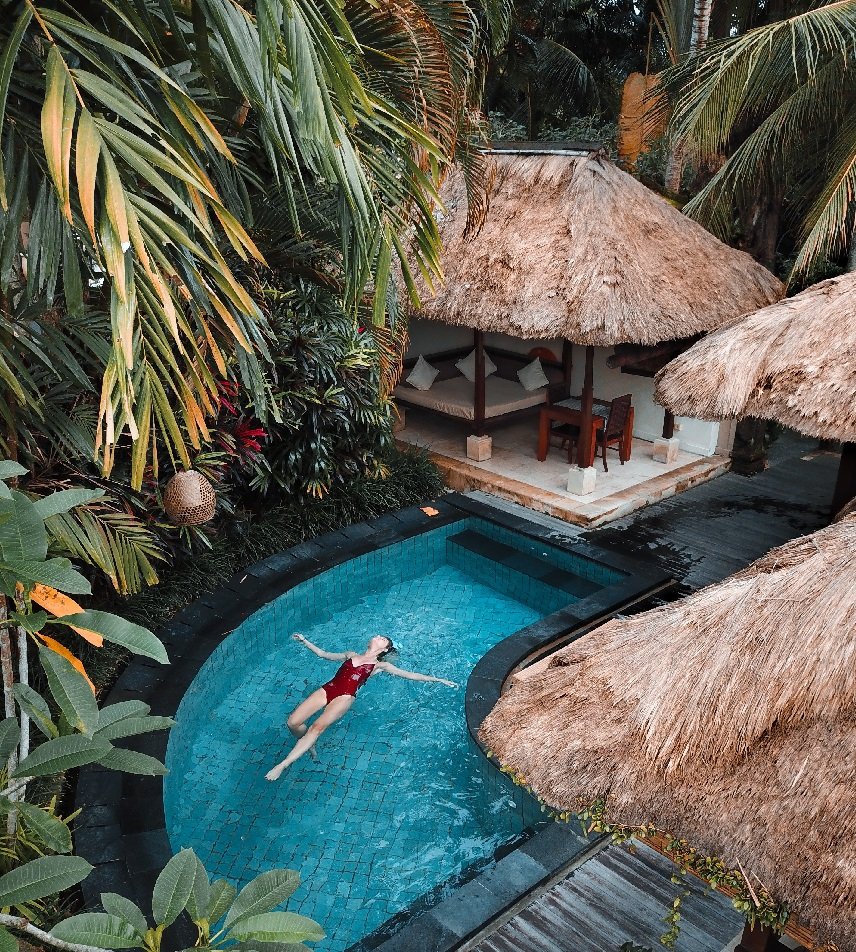
Lighting is an essential element that sets the mood and atmosphere of any space, and boutique hotels are no exception. These establishments strive to create an intimate and luxurious environment that is unrivaled by larger hotel chains. The lighting design is an integral part of achieving this goal. When it comes to boutique hotels, there is no one-size-fits-all approach. Each hotel is designed to reflect a specific theme or concept, and the lighting must align with this vision. Whether it's a contemporary urban retreat or a charming countryside escape, the lighting needs to complement the overall aesthetic. One popular trend in boutique hotels is the use of statement lighting fixtures. These are not only functional but also serve as works of art that add a touch of glamour to the space. From oversized chandeliers that hang grandly in the hotel lobby to sculptural table lamps in guest rooms, these eye-catching pieces can be conversation starters and focal points. Furthermore, boutique hotels often capitalize on natural light. Large windows, skylights, and open spaces are common features that allow ample sunlight to flood the interiors. This not only creates a welcoming and revitalizing environment but also reduces the need for artificial lighting during the day, adding an eco-friendly touch to the hotel's aesthetic. In addition to natural light, thoughtful artificial lighting is strategically utilized throughout the hotel to enhance different areas. For example, in the lobby, soft and warm lighting is often employed to create a cozy and inviting ambiance. Conversely, in the restaurant or bar, dimmed and atmospheric lighting sets the tone for an intimate and sophisticated dining experience. Another crucial aspect of lighting design in boutique hotels is its ability to highlight architectural elements and decorative features. For instance, well-placed spotlights can accentuate unique architectural details like exposed brick walls or ornate ceiling designs. Similarly, directed light can emphasize artwork, sculptures, or carefully curated displays, creating a visually appealing and curated atmosphere. The lighting in guest rooms is equally as important as the public spaces. Boutique hotels strive to provide a personalized and comfortable experience for their guests, and the lighting plays a significant role in achieving this. Adjustable bedside lamps, task lighting for workspaces, and soft lighting options for relaxation are just a few examples of how boutique hotels cater to the individual needs of their guests. In conclusion, lighting is an essential element of boutique hotels that sets the stage for a remarkable experience. From statement fixtures to natural and artificial lighting, it enhances the ambiance, highlights architectural details, and provides a personalized touch. Next time you step into a boutique hotel, pay attention to the lighting you might be surprised by its transformative power. For a comprehensive review, explore http://www.nacnoc.com If you are enthusiast, check the following link http://www.lumenwork.com Discover new insights by reading http://www.alliancespot.com
Leave a Comment:
SEARCH
Recent News
- Zurich, Switzerland is a charming city known for its stunning architecture, picturesque landscapes, and vibrant culture. It is a popular destination for tourists from all over the world, offering a mix of historical sites, modern amenities, and breathtaking natural beauty. One of the must-visit places in Zurich is the old town, where you can stroll through narrow cobblestone streets lined with shops, cafes, and historic buildings.
- Zurich, Switzerland, and Sydney, Australia, are two popular travel destinations known for their unique charm and vibrant atmospheres. Travelers looking to explore these cities often seek comfortable accommodation options to enhance their stay. In this article, we will guide you through some top hotels in Sydney to consider for your next visit, and also delve into the beautiful city of Zurich and highlight some of its charming hotels.
- When it comes to content creation on YouTube, there are endless possibilities to explore. One interesting niche that creators can delve into is showcasing Tunisian hotels. Tunisia is known for its beautiful landscapes, rich history, and vibrant culture, making it an attractive destination for tourists from around the world.
- Are you interested in learning about YouTube content creation and translation in the context of Sydney hotels? I'm here to guide you through the process of producing engaging YouTube videos focusing on Sydney hotels and how to effectively translate your content to reach a wider audience.
- Tunisia is a beautiful country with stunning beaches, rich culture, and a colorful history. Tunisian hotels play a crucial role in the country's tourism industry, offering visitors a comfortable and luxurious stay during their vacation.
- Planning a trip to Sydney and looking for the best hotels to stay in? Look no further! In this blog post, we will introduce you to some of the top Sydney hotels that you can explore and consider for your stay.
- Tunisia is a beautiful North African country known for its rich history, stunning beaches, and vibrant culture. With its diverse landscapes ranging from the Sahara Desert to the Mediterranean Sea, Tunisia is a popular destination for tourists from all over the world. One major event that put Tunisia on the map in the sports world was when it hosted the FIFA World Cup in 1978.
- The World Cup is an exciting event that draws fans from all over the globe to experience the thrill of watching their favorite teams compete on the world stage. And when it comes to attending matches in Sydney, finding the perfect hotel is key to making the most of your World Cup experience.
READ MORE
11 months ago Category : nezeh

Zurich, Switzerland is a charming city known for its stunning architecture, picturesque landscapes, and vibrant culture. It is a popular destination for tourists from all over the world, offering a mix of historical sites, modern amenities, and breathtaking natural beauty. One of the must-visit places in Zurich is the old town, where you can stroll through narrow cobblestone streets lined with shops, cafes, and historic buildings.
Read More →11 months ago Category : nezeh

Zurich, Switzerland, and Sydney, Australia, are two popular travel destinations known for their unique charm and vibrant atmospheres. Travelers looking to explore these cities often seek comfortable accommodation options to enhance their stay. In this article, we will guide you through some top hotels in Sydney to consider for your next visit, and also delve into the beautiful city of Zurich and highlight some of its charming hotels.
Read More →11 months ago Category : nezeh

When it comes to content creation on YouTube, there are endless possibilities to explore. One interesting niche that creators can delve into is showcasing Tunisian hotels. Tunisia is known for its beautiful landscapes, rich history, and vibrant culture, making it an attractive destination for tourists from around the world.
Read More →11 months ago Category : nezeh
