Sustainable Marketing Strategies for Nearly Zero Energy Hotels in Italy
Category : nezeh | Sub Category : nerdcook Posted on 2023-10-30 21:24:53
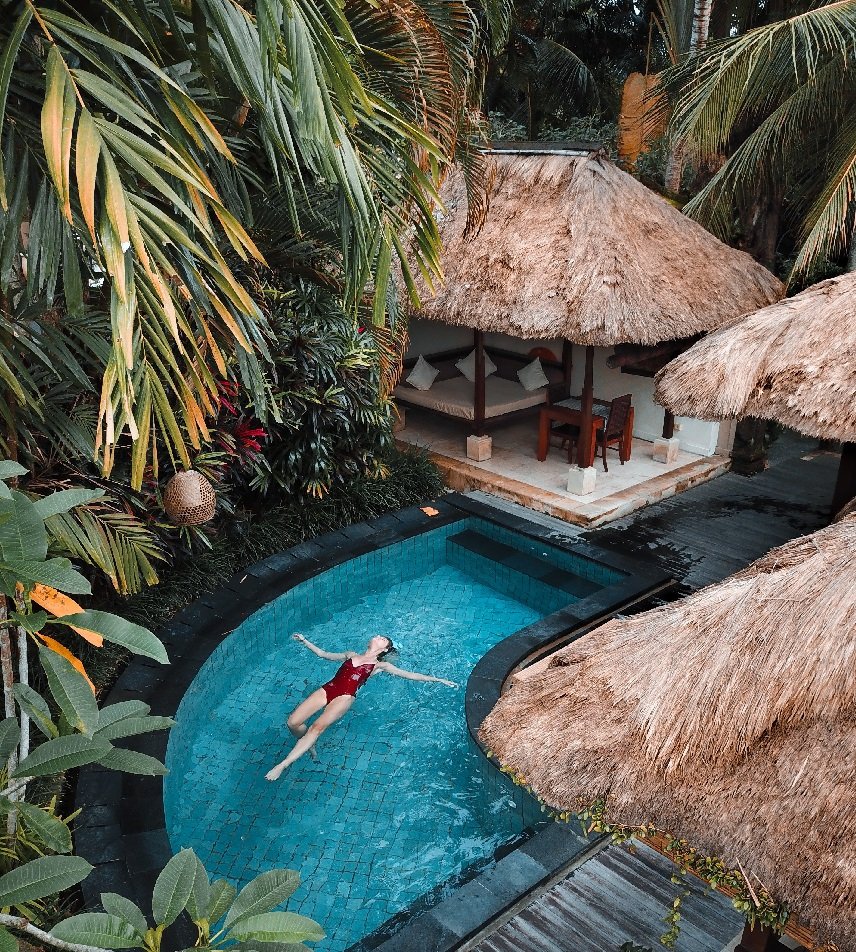
Introduction: In recent years, the hospitality industry has been focusing on sustainable practices to minimize its impact on the environment. Italy, renowned for its natural beauty and cultural heritage, has embraced this movement by introducing nearly zero energy hotels. These eco-friendly accommodations not only provide a unique experience for guests but also significantly reduce their carbon footprint. In this blog post, we will explore how marketing plays a crucial role in promoting nearly zero energy hotels in Italy and attracting environmentally conscious travelers. 1. Showcasing Sustainable Features: Marketing a nearly zero energy hotel starts with highlighting its sustainable features. These hotels utilize renewable energy sources such as solar panels, geothermal systems, and wind turbines to power their facilities. They also implement energy-efficient technologies, such as LED lighting, smart thermostats, and insulation, to reduce energy consumption. In marketing materials and online platforms, emphasize the hotel's commitment to sustainability and its efforts to create a carbon-neutral environment. 2. Embracing Thoughtful Design: Architecture and interior design play an essential role in setting the tone for a nearly zero energy hotel. Incorporate the hotel's eco-friendly design elements into marketing campaigns to create a visually appealing narrative. Highlight features like green roofs, passive heating and cooling systems, and the use of recycled or locally sourced materials. By showcasing these elements, marketing materials can effectively convey the hotel's dedication to sustainability. 3. Curating Unique Experiences: Travelers today seek more than just a place to stay; they crave authentic experiences. Nearly zero energy hotels in Italy offer guests the opportunity to immerse themselves in the local culture and eco-conscious lifestyle. Market the hotel as a gateway to sustainable tourism activities such as nature hikes, bike tours, organic farm visits, and culinary experiences that focus on locally sourced ingredients. Highlighting these experiences will attract travelers seeking a deeper connection with the environment and local communities. 4. Collaborating with Sustainable Partners: Marketing nearly zero energy hotels in Italy can involve collaborations with other sustainable businesses and organizations. Partner with local environmental groups, eco-tourism agencies, and sustainable transportation providers to offer guests a comprehensive sustainable travel package. This collaboration can help raise awareness about the hotel's commitment to sustainability and extend its reach to a wider audience. 5. Engaging on Social Media: Social media platforms are powerful tools for promoting nearly zero energy hotels. Create engaging content that educates and inspires the audience about sustainable travel, green initiatives, and the hotel's unique offerings. Share behind-the-scenes glimpses of renewable energy installations, showcase green practices, and highlight positive feedback from satisfied guests. Encourage guests to share their experiences, stories, and photos on social media, leveraging user-generated content to build credibility and attract like-minded travelers. Conclusion: Marketing nearly zero energy hotels in Italy is essential to raise awareness and attract environmentally conscious travelers. By showcasing the hotel's sustainable features, thoughtful design, unique experiences, collaborations with sustainable partners, and engaging on social media, hoteliers can effectively position their properties as environmentally responsible and desirable destinations. As the demand for sustainable travel grows, marketing strategies play a vital role in connecting these eco-conscious travelers with the nearly zero energy hotels in Italy. If you are interested you can check http://www.nacnoc.com also visit the following website http://www.tinyfed.com Find expert opinions in http://www.droope.org
Leave a Comment:
SEARCH
Recent News
- Zurich, Switzerland is a charming city known for its stunning architecture, picturesque landscapes, and vibrant culture. It is a popular destination for tourists from all over the world, offering a mix of historical sites, modern amenities, and breathtaking natural beauty. One of the must-visit places in Zurich is the old town, where you can stroll through narrow cobblestone streets lined with shops, cafes, and historic buildings.
- Zurich, Switzerland, and Sydney, Australia, are two popular travel destinations known for their unique charm and vibrant atmospheres. Travelers looking to explore these cities often seek comfortable accommodation options to enhance their stay. In this article, we will guide you through some top hotels in Sydney to consider for your next visit, and also delve into the beautiful city of Zurich and highlight some of its charming hotels.
- When it comes to content creation on YouTube, there are endless possibilities to explore. One interesting niche that creators can delve into is showcasing Tunisian hotels. Tunisia is known for its beautiful landscapes, rich history, and vibrant culture, making it an attractive destination for tourists from around the world.
- Are you interested in learning about YouTube content creation and translation in the context of Sydney hotels? I'm here to guide you through the process of producing engaging YouTube videos focusing on Sydney hotels and how to effectively translate your content to reach a wider audience.
- Tunisia is a beautiful country with stunning beaches, rich culture, and a colorful history. Tunisian hotels play a crucial role in the country's tourism industry, offering visitors a comfortable and luxurious stay during their vacation.
- Planning a trip to Sydney and looking for the best hotels to stay in? Look no further! In this blog post, we will introduce you to some of the top Sydney hotels that you can explore and consider for your stay.
- Tunisia is a beautiful North African country known for its rich history, stunning beaches, and vibrant culture. With its diverse landscapes ranging from the Sahara Desert to the Mediterranean Sea, Tunisia is a popular destination for tourists from all over the world. One major event that put Tunisia on the map in the sports world was when it hosted the FIFA World Cup in 1978.
- The World Cup is an exciting event that draws fans from all over the globe to experience the thrill of watching their favorite teams compete on the world stage. And when it comes to attending matches in Sydney, finding the perfect hotel is key to making the most of your World Cup experience.
READ MORE
11 months ago Category : nezeh

Zurich, Switzerland is a charming city known for its stunning architecture, picturesque landscapes, and vibrant culture. It is a popular destination for tourists from all over the world, offering a mix of historical sites, modern amenities, and breathtaking natural beauty. One of the must-visit places in Zurich is the old town, where you can stroll through narrow cobblestone streets lined with shops, cafes, and historic buildings.
Read More →11 months ago Category : nezeh

Zurich, Switzerland, and Sydney, Australia, are two popular travel destinations known for their unique charm and vibrant atmospheres. Travelers looking to explore these cities often seek comfortable accommodation options to enhance their stay. In this article, we will guide you through some top hotels in Sydney to consider for your next visit, and also delve into the beautiful city of Zurich and highlight some of its charming hotels.
Read More →11 months ago Category : nezeh

When it comes to content creation on YouTube, there are endless possibilities to explore. One interesting niche that creators can delve into is showcasing Tunisian hotels. Tunisia is known for its beautiful landscapes, rich history, and vibrant culture, making it an attractive destination for tourists from around the world.
Read More →11 months ago Category : nezeh
