Exploring the Role of Medicine in the World Tourism Organization for Hotels
Category : nezeh | Sub Category : nerdcook Posted on 2023-10-30 21:24:53
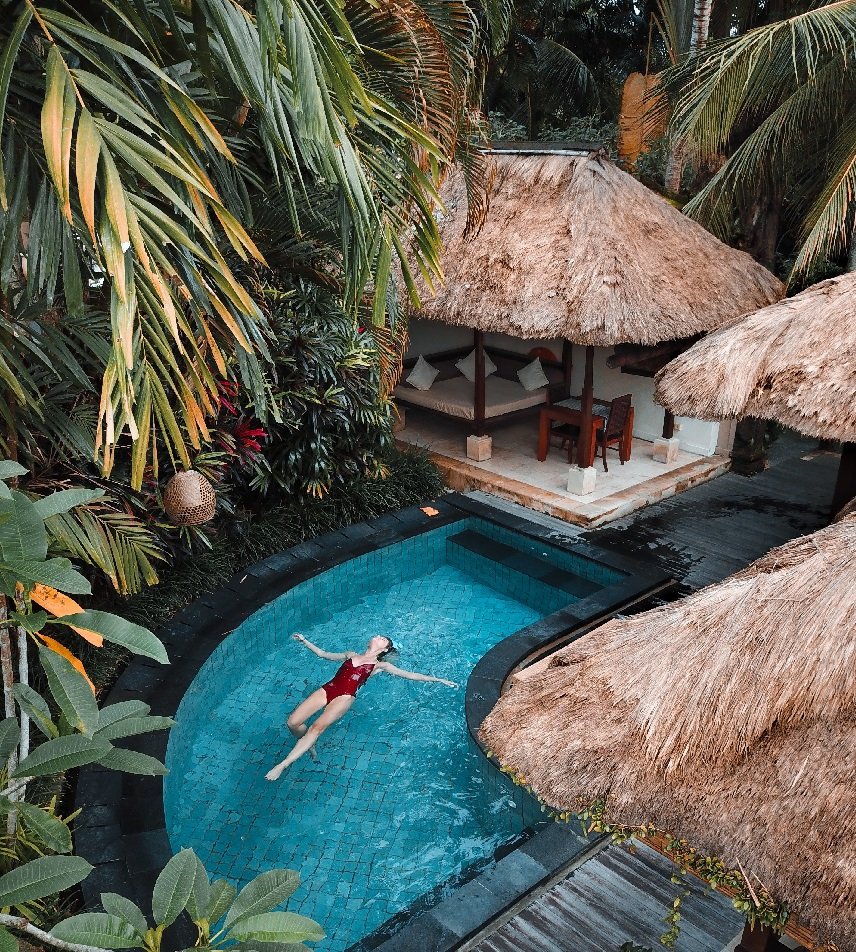
Introduction: The global tourism industry has seen a significant upswing in recent years, with more travelers seeking unique experiences and memorable adventures. As a result, hotels and accommodations have evolved to cater to the diverse needs of travelers, including providing specialized healthcare services. In this blog post, we will delve into the fascinating intersection of medicine and the World Tourism Organization for Hotels. We will explore the importance of healthcare facilities in hotels, the role of the World Tourism Organization, and how this collaboration benefits both travelers and the hospitality industry. 1. The Growing Importance of Healthcare Facilities in Hotels: With an increasing number of travelers seeking medical services while on their trips, hotels and resorts are recognizing the need to provide adequate healthcare infrastructure. Travelers may require emergency medical assistance, access to quality healthcare facilities, or specialized treatments. Integrating such services within hotels ensures guests' comfort and convenience, while also offering peace of mind that medical support is readily available. 2. The Role of the World Tourism Organization: The World Tourism Organization (UNWTO) plays a key role in promoting sustainable and responsible tourism worldwide. The organization provides a platform for collaboration among various stakeholders, including governments, businesses, and non-governmental organizations. UNWTO's support extends to the hotel industry, recognizing the crucial role healthcare plays in enhancing the travel experience. By integrating medicine into their operations, hotels can facilitate safe and seamless travel, aligning with the UNWTO's vision for a sustainable and inclusive tourism industry. 3. Benefits for Travelers: Access to healthcare facilities within hotels offers several benefits for travelers. First and foremost, it ensures prompt and convenient medical care in case of emergencies or health issues. This can be particularly important for individuals with pre-existing medical conditions or those who are traveling to destinations with limited medical infrastructure. Moreover, having in-house medical facilities reduces the need for additional research and planning, providing peace of mind and allowing travelers to focus on enjoying their trip without worrying about their health. 4. Benefits for the Hospitality Industry: Integrating healthcare facilities within hotels can be a strategic advantage for the hospitality industry. It allows hotels to differentiate themselves from competitors and attract a niche market of health-conscious travelers. Moreover, offering medical services can broaden the revenue streams for hotels, potentially increasing their profitability. Additionally, this collaboration presents an opportunity for hotels and healthcare providers to establish partnerships and collaborations, enhancing the overall guest experience. Conclusion: As the tourism industry continues to evolve, hotels are adapting to meet the changing needs and expectations of travelers. The integration of healthcare facilities within hotels, supported by organizations like the World Tourism Organization, signifies a paradigm shift in the way hospitality and healthcare intersect. This collaboration not only benefits travelers by offering essential medical services but also provides new avenues for revenue and growth within the hospitality industry. As a result, the world of medicine and the World Tourism Organization for Hotels are working hand in hand to shape a more sustainable and inclusive world of travel. For expert commentary, delve into http://www.nacnoc.com For a comprehensive overview, don't miss: http://www.doctorregister.com Explore expert opinions in http://www.tinyfed.com Discover more about this topic through http://www.natclar.com
Leave a Comment:
SEARCH
Recent News
- Zurich, Switzerland is a charming city known for its stunning architecture, picturesque landscapes, and vibrant culture. It is a popular destination for tourists from all over the world, offering a mix of historical sites, modern amenities, and breathtaking natural beauty. One of the must-visit places in Zurich is the old town, where you can stroll through narrow cobblestone streets lined with shops, cafes, and historic buildings.
- Zurich, Switzerland, and Sydney, Australia, are two popular travel destinations known for their unique charm and vibrant atmospheres. Travelers looking to explore these cities often seek comfortable accommodation options to enhance their stay. In this article, we will guide you through some top hotels in Sydney to consider for your next visit, and also delve into the beautiful city of Zurich and highlight some of its charming hotels.
- When it comes to content creation on YouTube, there are endless possibilities to explore. One interesting niche that creators can delve into is showcasing Tunisian hotels. Tunisia is known for its beautiful landscapes, rich history, and vibrant culture, making it an attractive destination for tourists from around the world.
- Are you interested in learning about YouTube content creation and translation in the context of Sydney hotels? I'm here to guide you through the process of producing engaging YouTube videos focusing on Sydney hotels and how to effectively translate your content to reach a wider audience.
- Tunisia is a beautiful country with stunning beaches, rich culture, and a colorful history. Tunisian hotels play a crucial role in the country's tourism industry, offering visitors a comfortable and luxurious stay during their vacation.
- Planning a trip to Sydney and looking for the best hotels to stay in? Look no further! In this blog post, we will introduce you to some of the top Sydney hotels that you can explore and consider for your stay.
- Tunisia is a beautiful North African country known for its rich history, stunning beaches, and vibrant culture. With its diverse landscapes ranging from the Sahara Desert to the Mediterranean Sea, Tunisia is a popular destination for tourists from all over the world. One major event that put Tunisia on the map in the sports world was when it hosted the FIFA World Cup in 1978.
- The World Cup is an exciting event that draws fans from all over the globe to experience the thrill of watching their favorite teams compete on the world stage. And when it comes to attending matches in Sydney, finding the perfect hotel is key to making the most of your World Cup experience.
READ MORE
9 months ago Category : nezeh

Zurich, Switzerland is a charming city known for its stunning architecture, picturesque landscapes, and vibrant culture. It is a popular destination for tourists from all over the world, offering a mix of historical sites, modern amenities, and breathtaking natural beauty. One of the must-visit places in Zurich is the old town, where you can stroll through narrow cobblestone streets lined with shops, cafes, and historic buildings.
Read More →9 months ago Category : nezeh

Zurich, Switzerland, and Sydney, Australia, are two popular travel destinations known for their unique charm and vibrant atmospheres. Travelers looking to explore these cities often seek comfortable accommodation options to enhance their stay. In this article, we will guide you through some top hotels in Sydney to consider for your next visit, and also delve into the beautiful city of Zurich and highlight some of its charming hotels.
Read More →9 months ago Category : nezeh

When it comes to content creation on YouTube, there are endless possibilities to explore. One interesting niche that creators can delve into is showcasing Tunisian hotels. Tunisia is known for its beautiful landscapes, rich history, and vibrant culture, making it an attractive destination for tourists from around the world.
Read More →9 months ago Category : nezeh
