Revolutionizing Hospitality: Quadcopters and Drones for Nearly Zero Energy Hotels in France
Category : nezeh | Sub Category : nerdcook Posted on 2023-10-30 21:24:53
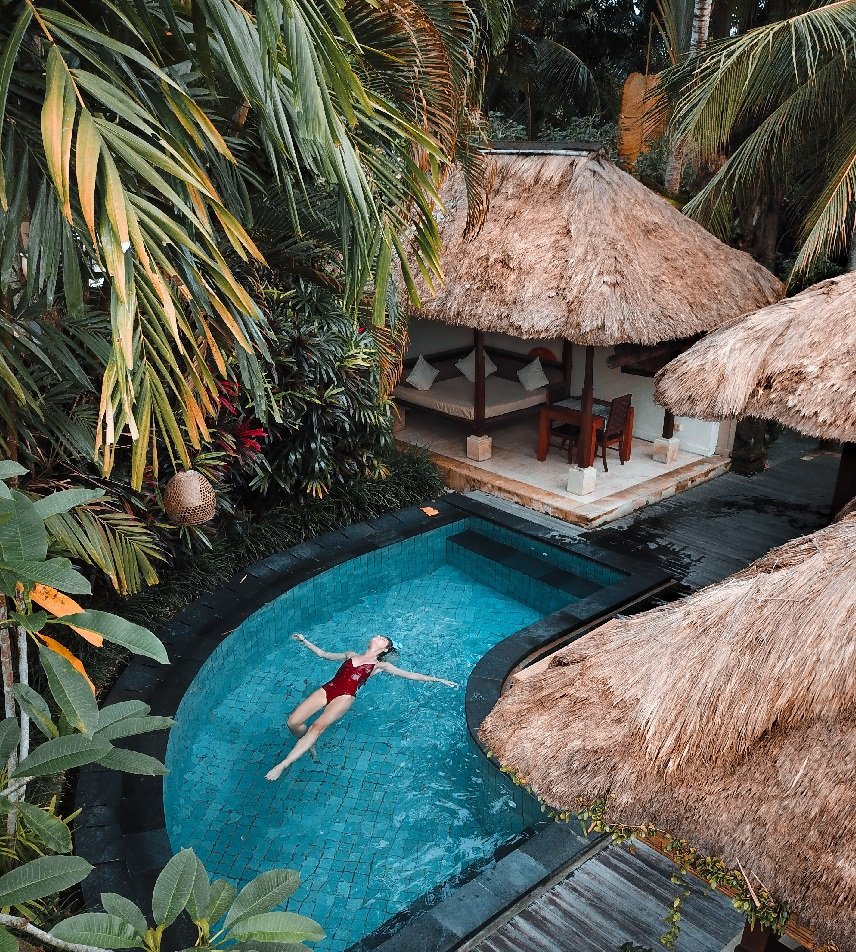
Introduction: The world of hospitality is constantly innovating to meet the demands of eco-conscious travelers. In recent years, France has taken the lead in sustainable tourism, and now, they are taking it a step further with an ingenious combination of technology and renewable energy. Welcome to the era of nearly zero energy hotels in France, where quadcopters and drones play a pivotal role in reducing environmental impact and enhancing the guest experience. Energy Efficiency: One of the biggest challenges for hotels looking to reduce their carbon footprint is minimizing energy consumption. This is where nearly zero energy hotels come into play. These innovative accommodations harness the power of renewable energy sources like solar and wind power to meet their energy demands. By utilizing state-of-the-art energy-efficient technologies, nearly zero energy hotels have already made significant strides in reducing energy consumption. Integration of Quadcopters and Drones: To further enhance energy efficiency and guest experiences, nearly zero energy hotels in France have turned to the skies. Quadcopters and drones, equipped with advanced technology, are being employed to monitor energy usage, optimize resource allocation, and provide exceptional service to guests. Monitoring Energy Usage: Quadcopters and drones equipped with thermal imaging cameras can effortlessly patrol the hotel's premises, identifying areas where energy is being wasted or not utilized efficiently. These aerial devices provide real-time data to hotel management, allowing them to monitor and rectify any energy inefficiencies promptly. Optimizing Resource Allocation: Quadcopters and drones can also be utilized to optimize the allocation of renewable energy resources. By monitoring energy production and consumption patterns, these devices can analyze data and make recommendations on when and where to divert surplus energy. This ensures optimal resource utilization and minimizes waste, contributing to the hotel's overall sustainability goals. Enhanced Guest Experience: The integration of quadcopters and drones not only benefits the environment but also enhances the overall guest experience in nearly zero energy hotels. These flying devices can be programmed to provide personalized services, such as delivering room service, providing information about hotel amenities, or even capturing breathtaking aerial footage of the surrounding natural beauty. In addition to these services, quadcopters can be used for entertainment purposes. Guests can participate in drone races, learn how to pilot a quadcopter, or enjoy a mesmerizing light show performed by synchronized drones in the evening sky. Conclusion: Nearly zero energy hotels in France are at the forefront of sustainable tourism. By incorporating quadcopters and drones into their operations, these innovative accommodations are revolutionizing the hospitality industry. Through the use of advanced technology, energy efficiency is maximized, waste is minimized, and guests are offered a truly unique and unforgettable experience. As France continues to lead the way in sustainable tourism, we can only anticipate further advancements in the seamless integration of technology and renewable energy, setting an example for the global hospitality sector. sources: http://www.nacnoc.com To gain a holistic understanding, refer to http://www.jetiify.com For an in-depth analysis, I recommend reading http://www.s6s.org To find answers, navigate to http://www.spydroner.com
Leave a Comment:
SEARCH
Recent News
- Zurich, Switzerland is a charming city known for its stunning architecture, picturesque landscapes, and vibrant culture. It is a popular destination for tourists from all over the world, offering a mix of historical sites, modern amenities, and breathtaking natural beauty. One of the must-visit places in Zurich is the old town, where you can stroll through narrow cobblestone streets lined with shops, cafes, and historic buildings.
- Zurich, Switzerland, and Sydney, Australia, are two popular travel destinations known for their unique charm and vibrant atmospheres. Travelers looking to explore these cities often seek comfortable accommodation options to enhance their stay. In this article, we will guide you through some top hotels in Sydney to consider for your next visit, and also delve into the beautiful city of Zurich and highlight some of its charming hotels.
- When it comes to content creation on YouTube, there are endless possibilities to explore. One interesting niche that creators can delve into is showcasing Tunisian hotels. Tunisia is known for its beautiful landscapes, rich history, and vibrant culture, making it an attractive destination for tourists from around the world.
- Are you interested in learning about YouTube content creation and translation in the context of Sydney hotels? I'm here to guide you through the process of producing engaging YouTube videos focusing on Sydney hotels and how to effectively translate your content to reach a wider audience.
- Tunisia is a beautiful country with stunning beaches, rich culture, and a colorful history. Tunisian hotels play a crucial role in the country's tourism industry, offering visitors a comfortable and luxurious stay during their vacation.
- Planning a trip to Sydney and looking for the best hotels to stay in? Look no further! In this blog post, we will introduce you to some of the top Sydney hotels that you can explore and consider for your stay.
- Tunisia is a beautiful North African country known for its rich history, stunning beaches, and vibrant culture. With its diverse landscapes ranging from the Sahara Desert to the Mediterranean Sea, Tunisia is a popular destination for tourists from all over the world. One major event that put Tunisia on the map in the sports world was when it hosted the FIFA World Cup in 1978.
- The World Cup is an exciting event that draws fans from all over the globe to experience the thrill of watching their favorite teams compete on the world stage. And when it comes to attending matches in Sydney, finding the perfect hotel is key to making the most of your World Cup experience.
READ MORE
10 months ago Category : nezeh

Zurich, Switzerland is a charming city known for its stunning architecture, picturesque landscapes, and vibrant culture. It is a popular destination for tourists from all over the world, offering a mix of historical sites, modern amenities, and breathtaking natural beauty. One of the must-visit places in Zurich is the old town, where you can stroll through narrow cobblestone streets lined with shops, cafes, and historic buildings.
Read More →10 months ago Category : nezeh

Zurich, Switzerland, and Sydney, Australia, are two popular travel destinations known for their unique charm and vibrant atmospheres. Travelers looking to explore these cities often seek comfortable accommodation options to enhance their stay. In this article, we will guide you through some top hotels in Sydney to consider for your next visit, and also delve into the beautiful city of Zurich and highlight some of its charming hotels.
Read More →10 months ago Category : nezeh

When it comes to content creation on YouTube, there are endless possibilities to explore. One interesting niche that creators can delve into is showcasing Tunisian hotels. Tunisia is known for its beautiful landscapes, rich history, and vibrant culture, making it an attractive destination for tourists from around the world.
Read More →10 months ago Category : nezeh
